
Last updated September 24, 2026
Free in-home measure and quote - PGT, CGI and CWS impact lines compared on your actual openings, style by style
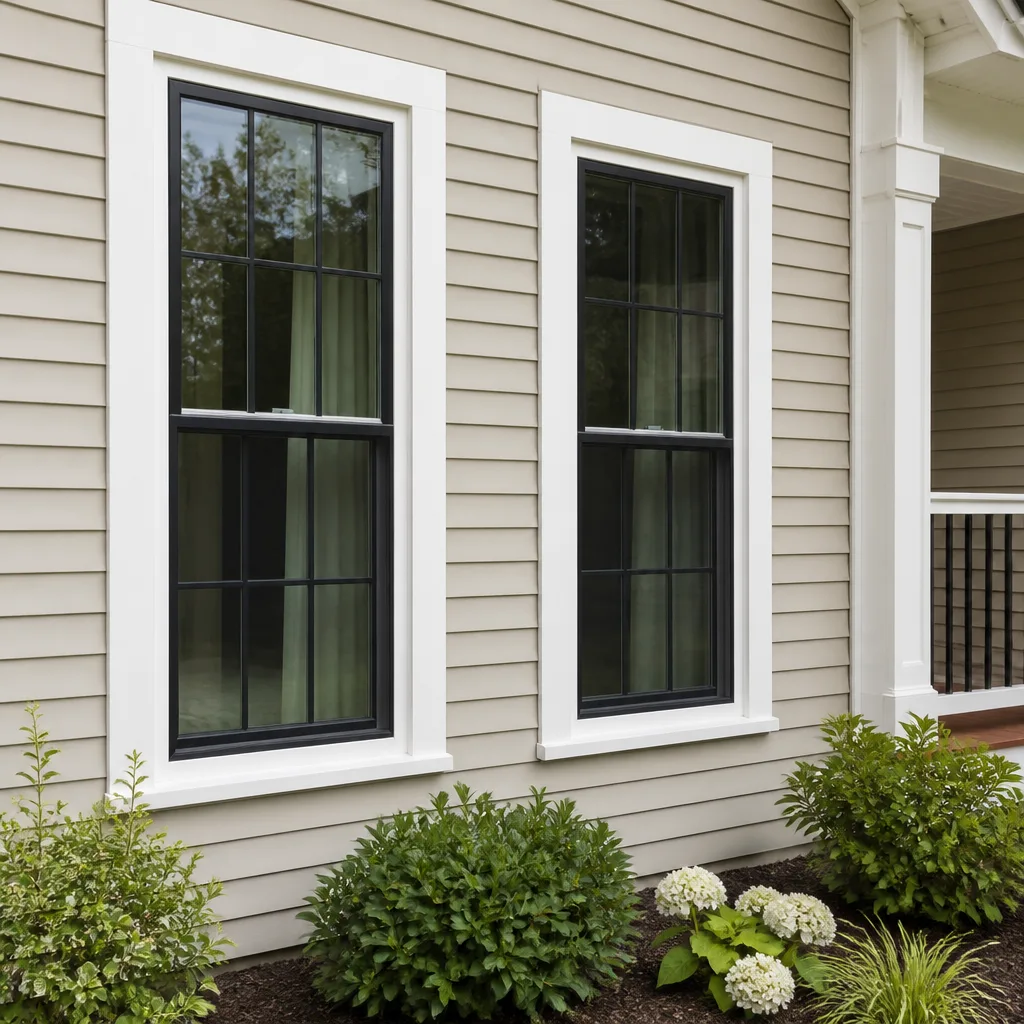
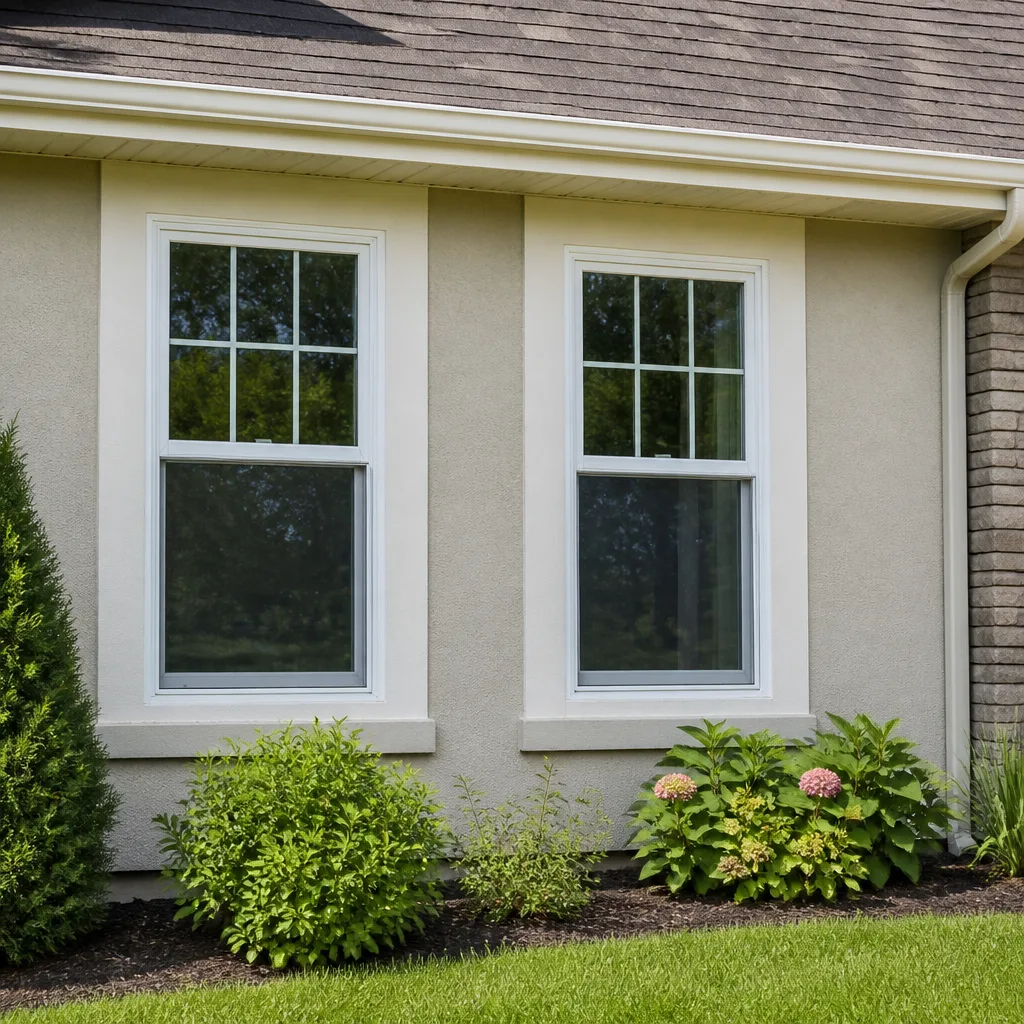
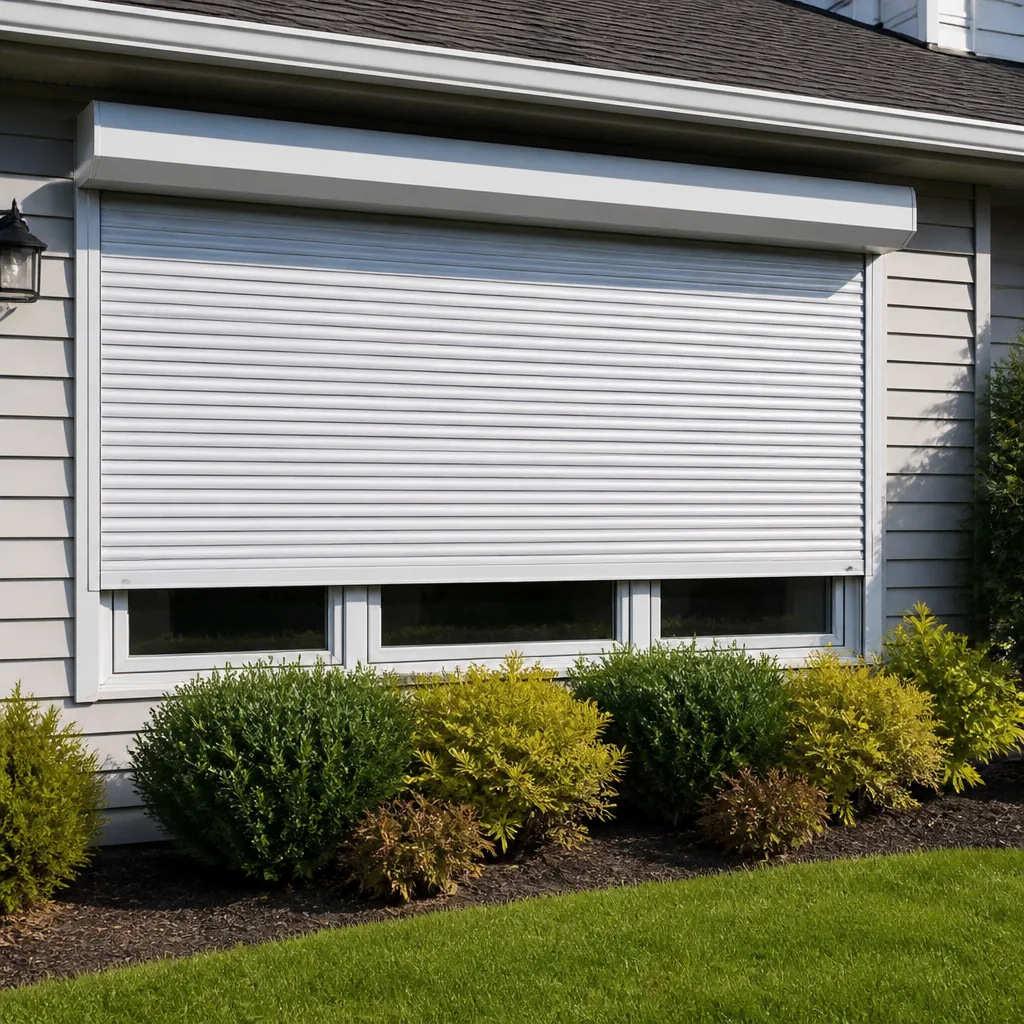
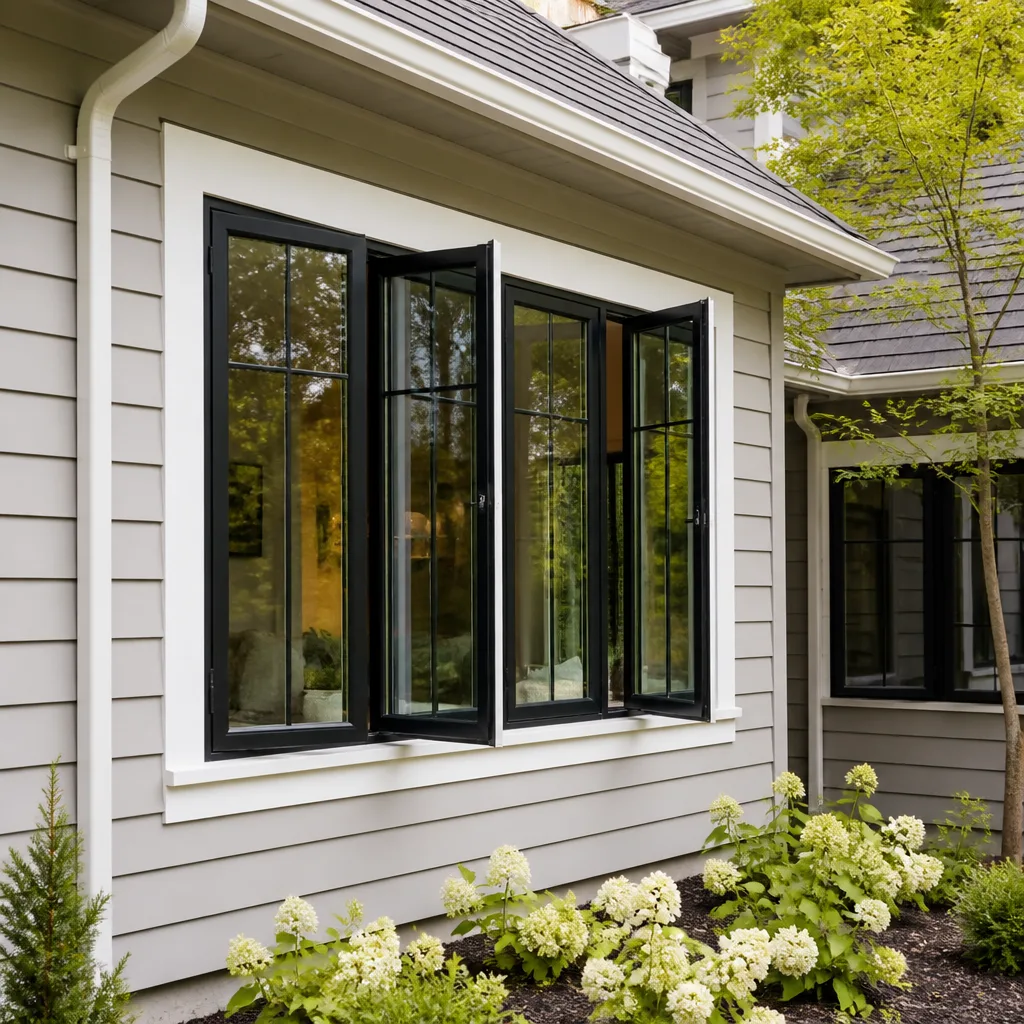
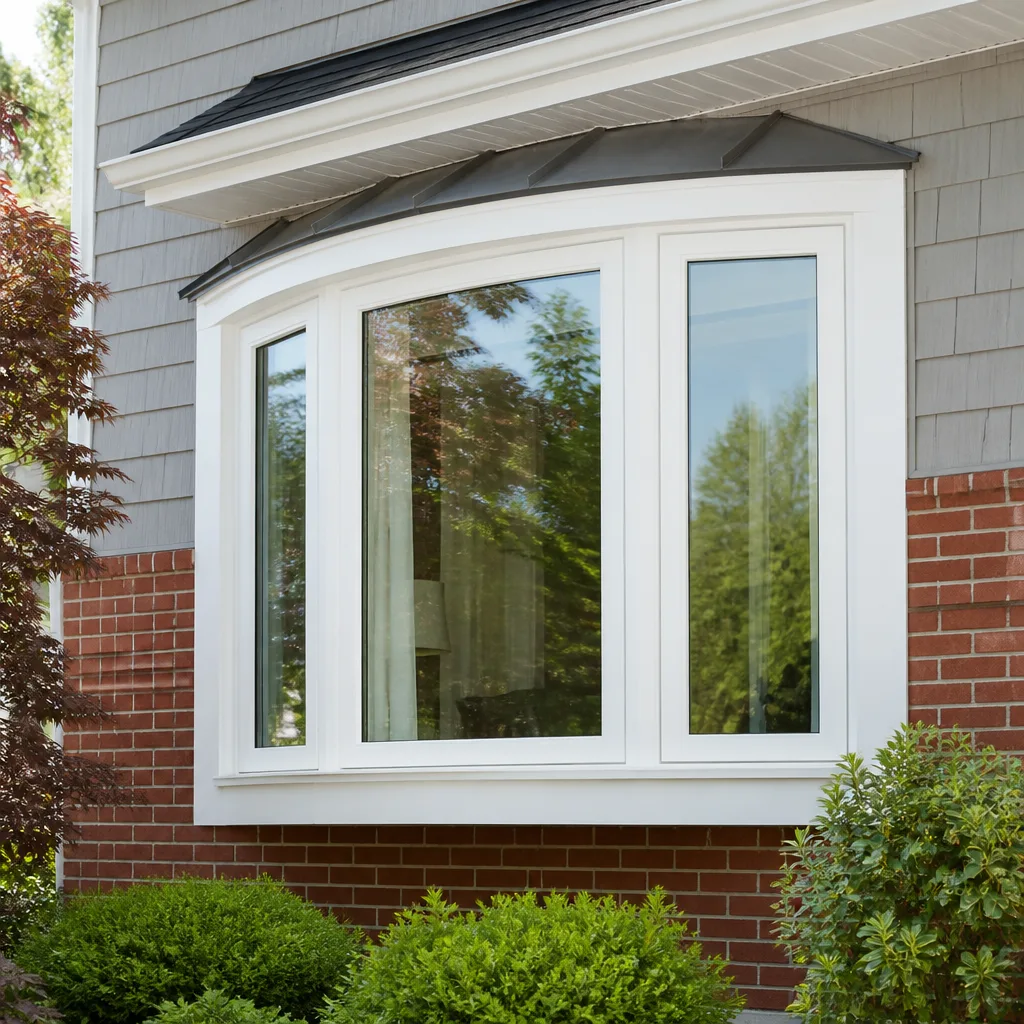
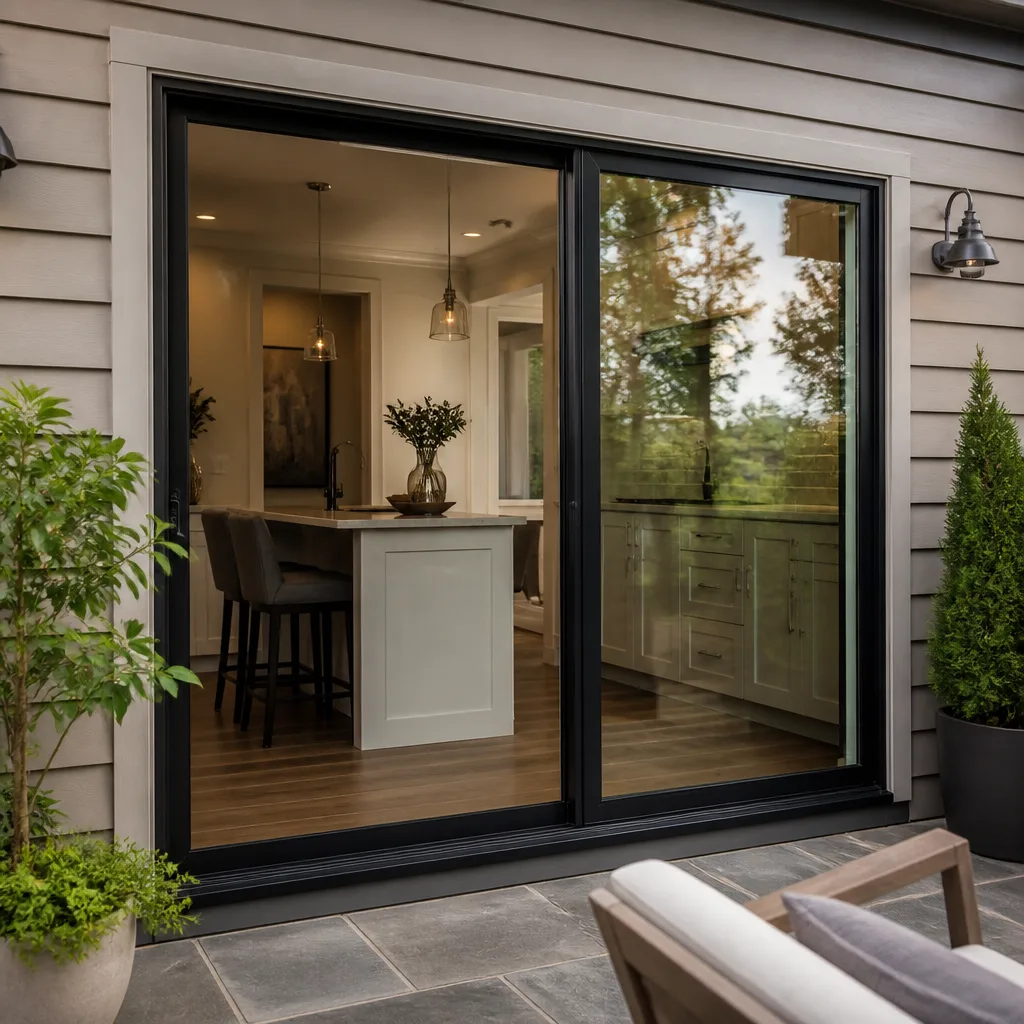
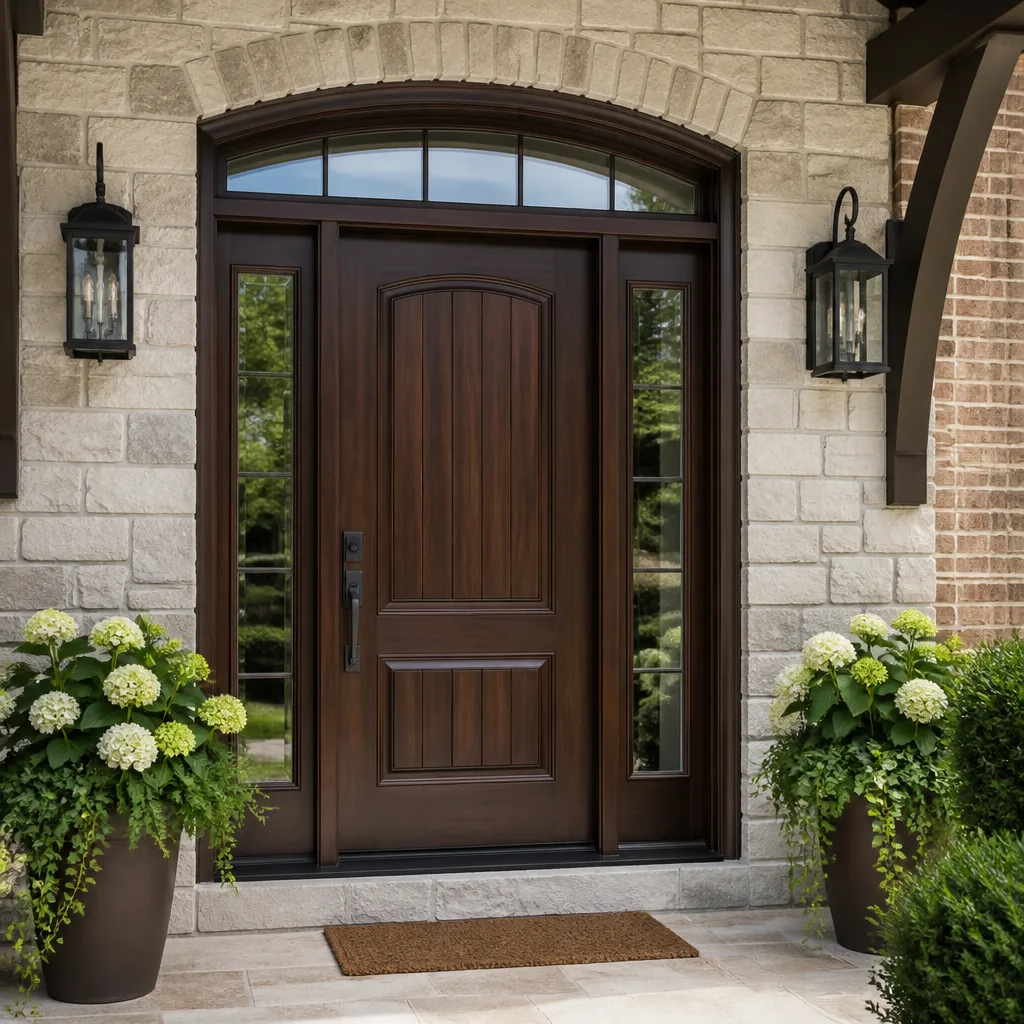
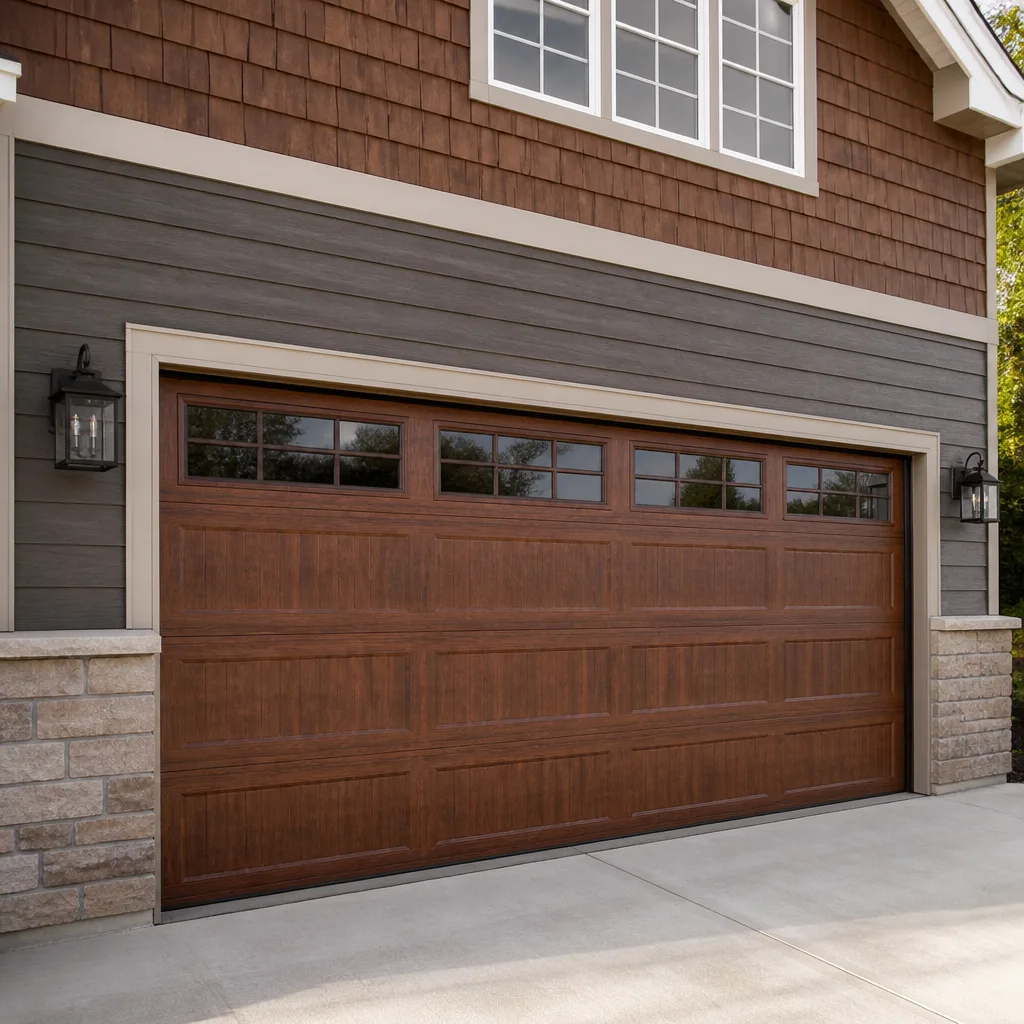
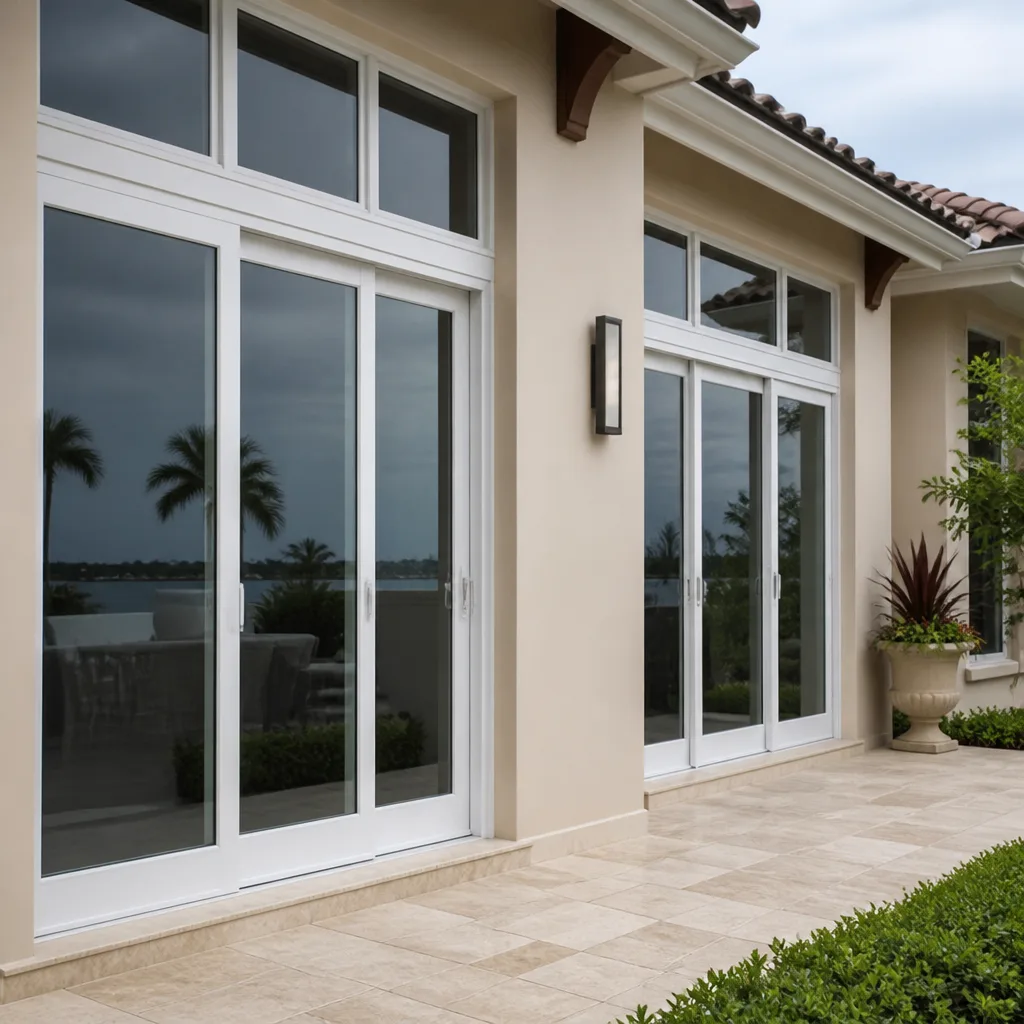
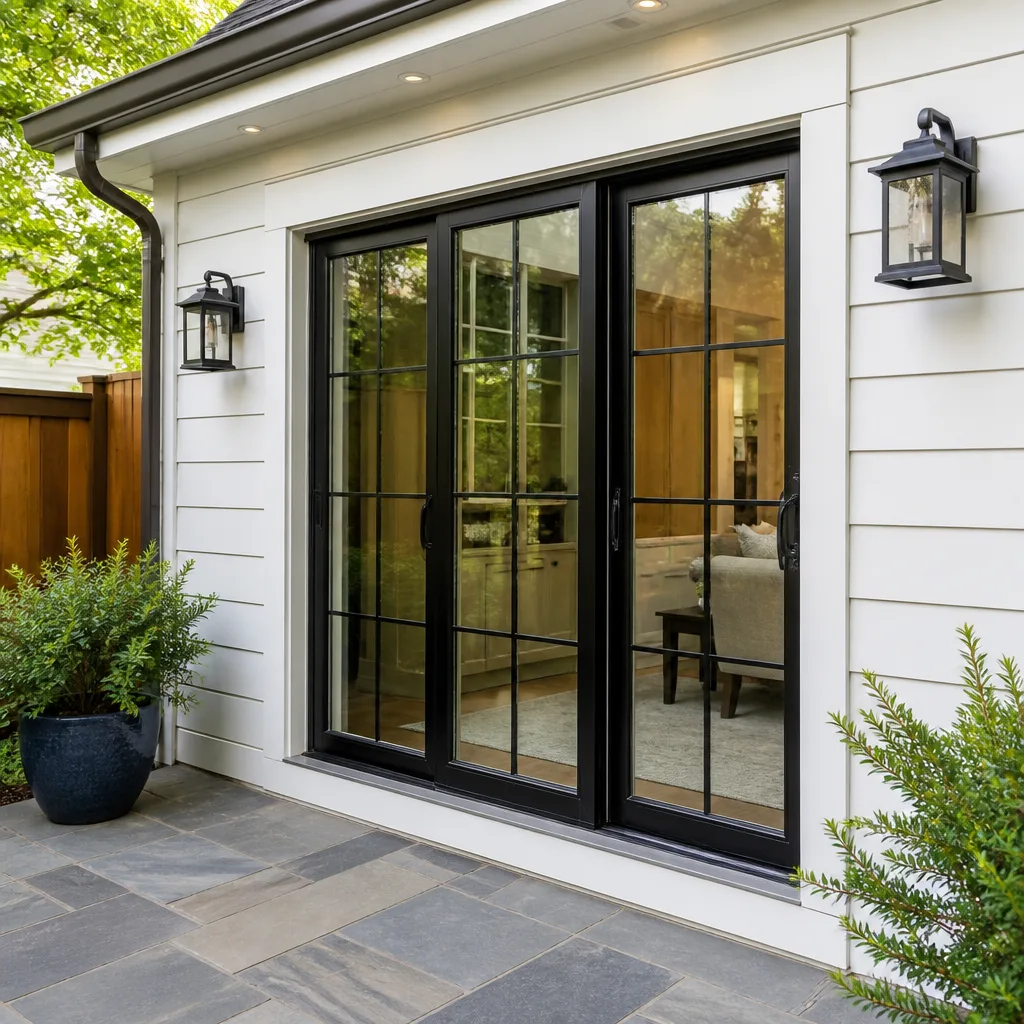
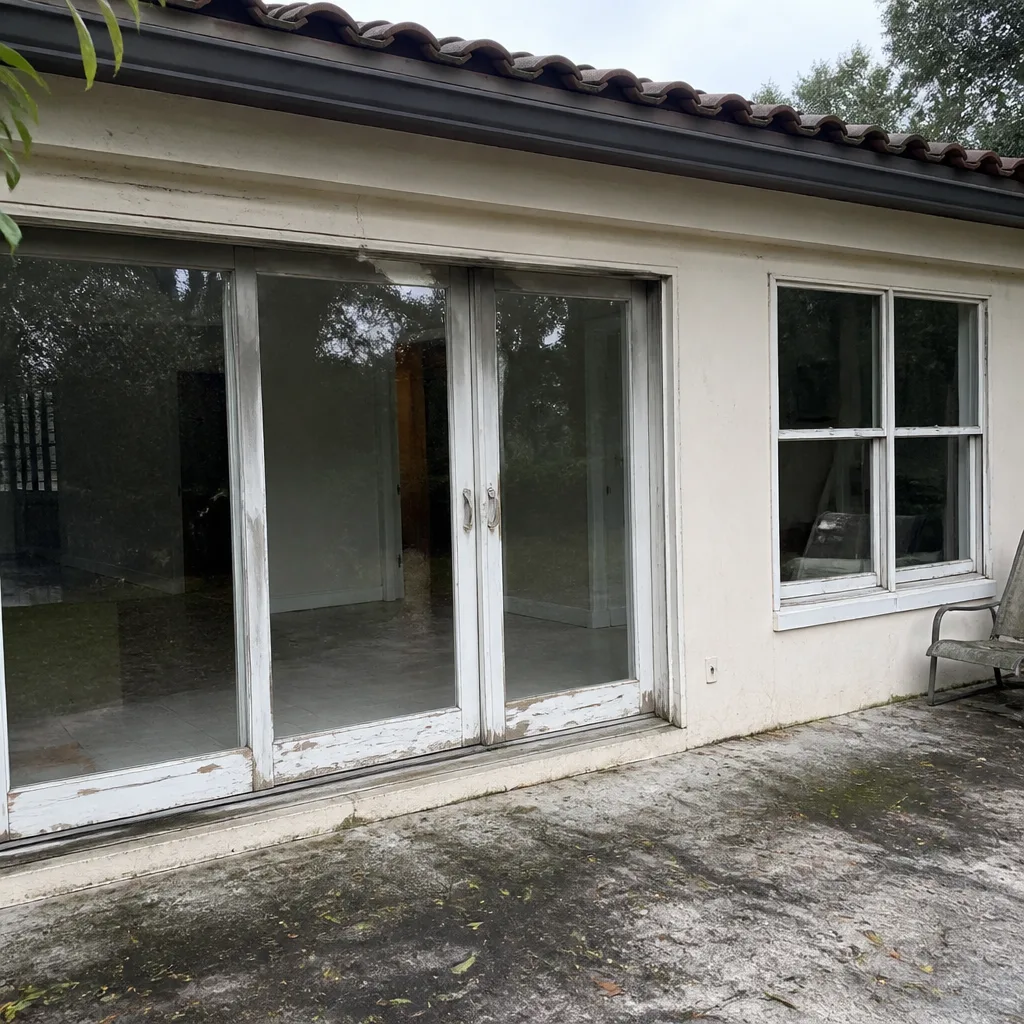 Before
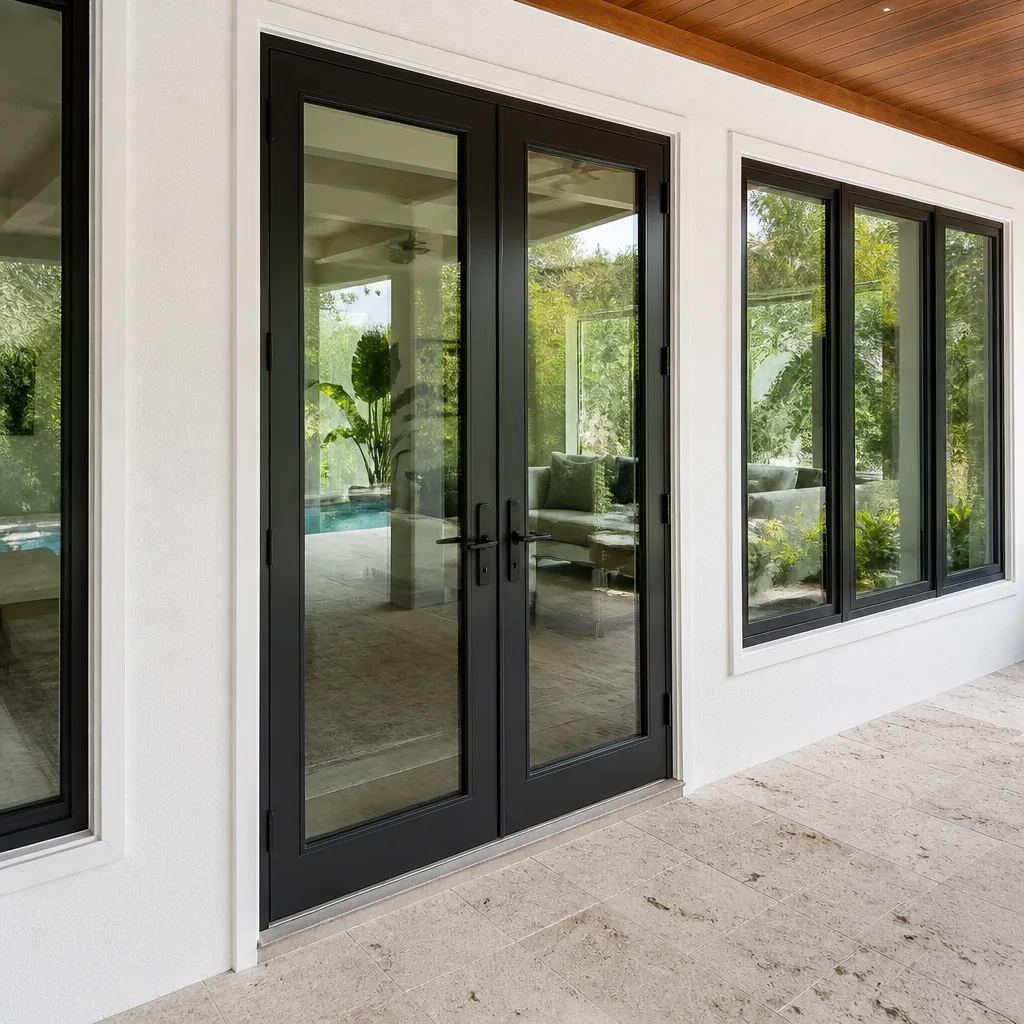 After
After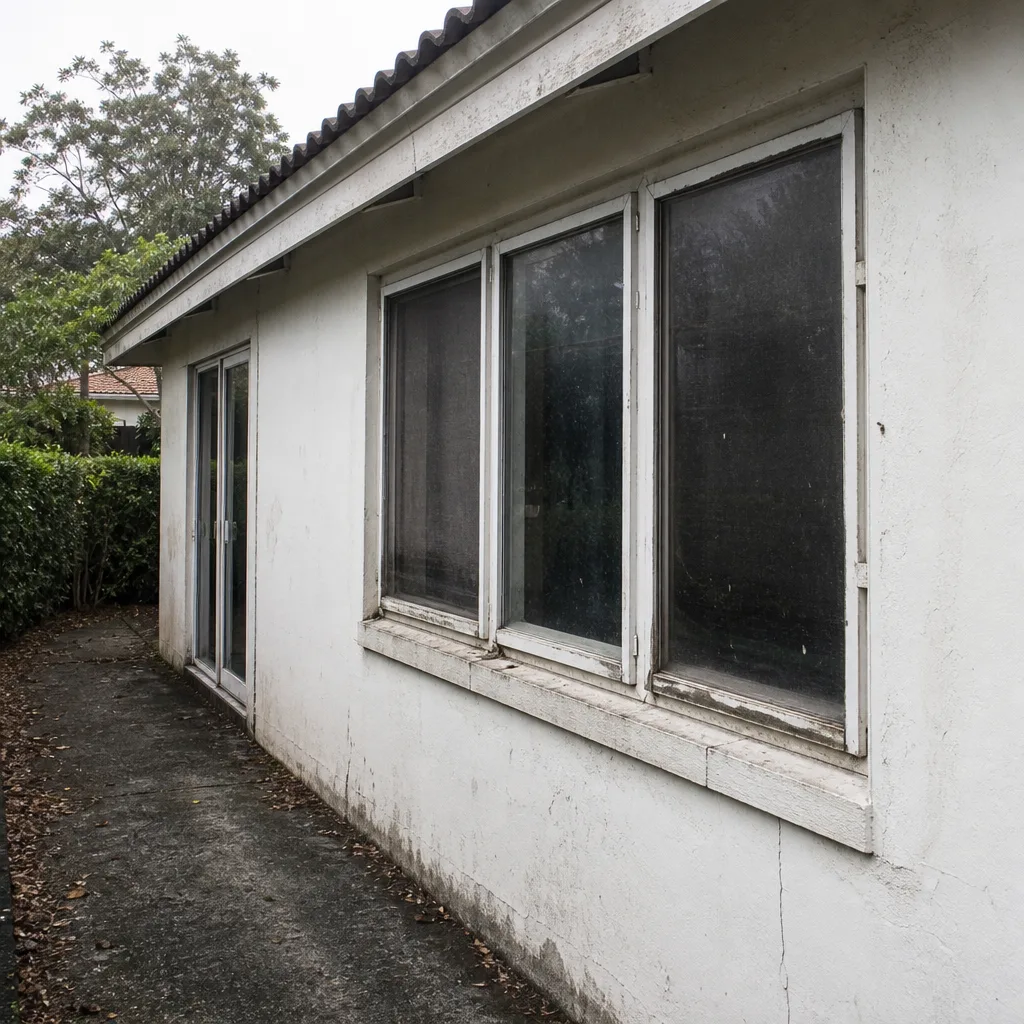 Before
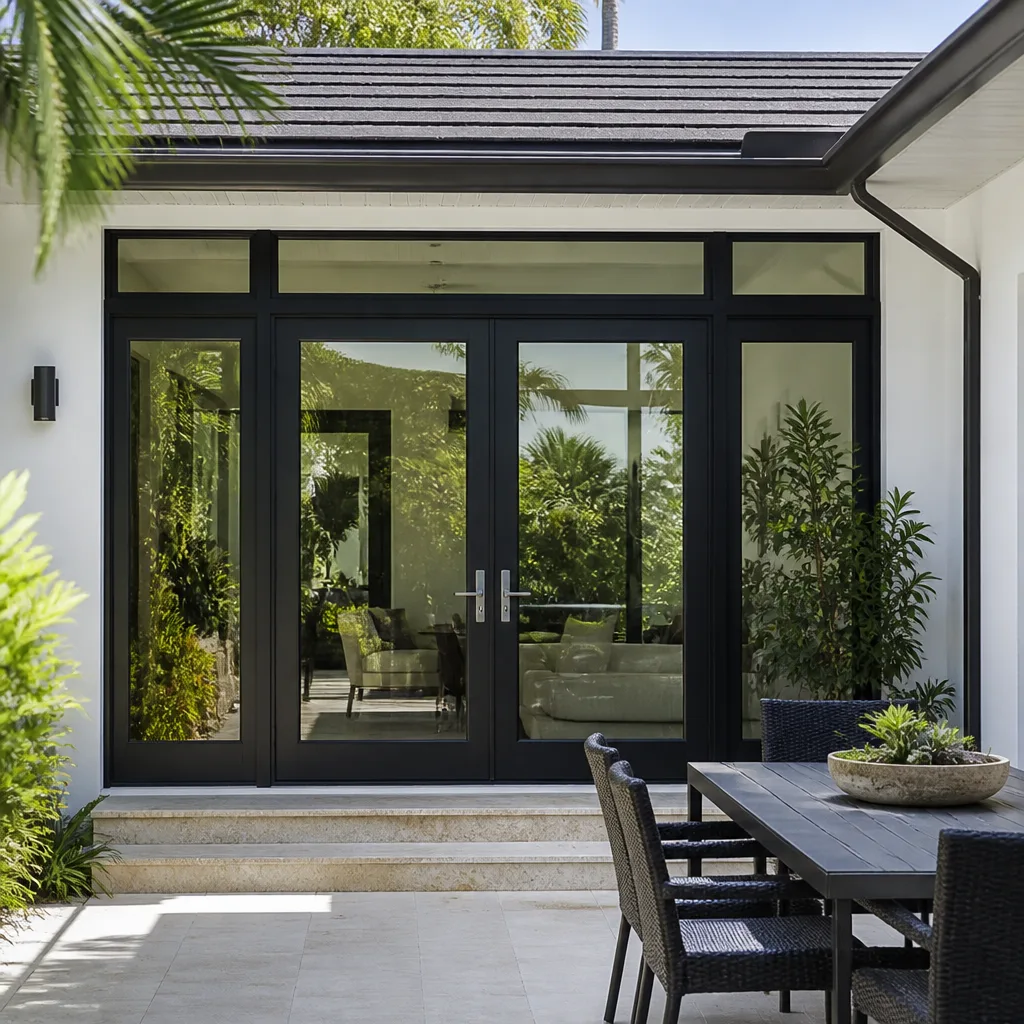 After
After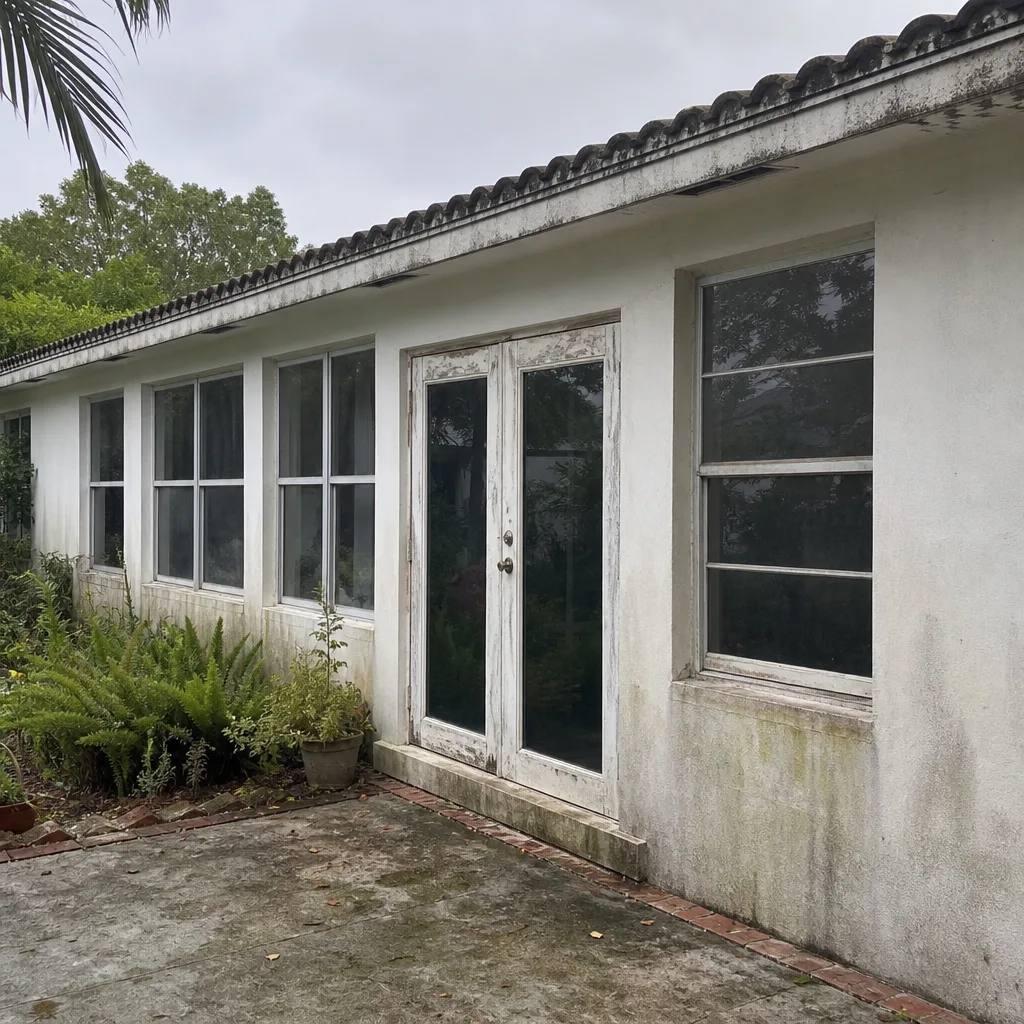 Before
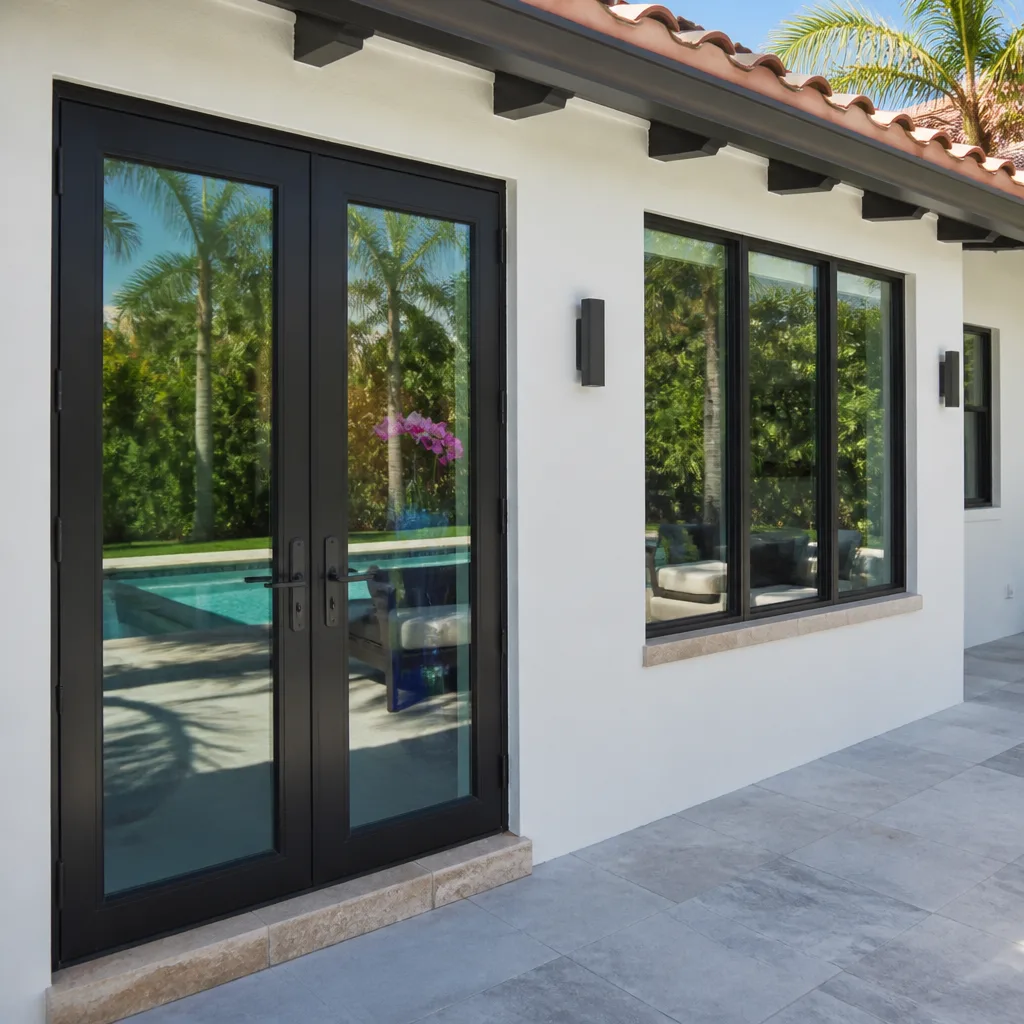 After
AfterHow to Hire a Windows & Doors Contractor in Pinecrest: A Step-by-Step Guide
Florida’s DBPR license lookup shows “active” status for contractors whose Miami-Dade product approval knowledge expired with a code cycle three years ago. A license check alone tells you nothing about whether they can legally install impact windows in Pinecrest today. In this guide, you’ll learn the four license classifications that actually matter, the specific questions that expose outdated product knowledge, and the contract loopholes that turn a fixed quote into an open-ended invoice. For more guides & resources on protecting your investment, explore our full library. We’ve installed 18,000+ openings across Pinecrest and South Miami-Dade since 2012, and the pattern is consistent: the contractors who survive scrutiny are the ones who can produce a written scope of work before the deposit clears.
Quick Answer
To hire a windows and doors contractor in Pinecrest, verify they hold a CBC, CBC126, CWC, or SCC license with current Miami-Dade NOA knowledge; demand a written scope with product NOA numbers, fixed pricing, and permit responsibility named before any deposit; and confirm they document every phase with photos you receive at completion. The written scope reveals what they know and what they’re guessing. Everything else is secondary.
Table of Contents
- The Four License Classifications That Actually Authorize Window and Door Work in Pinecrest
- The Survey-to-Invoice Test: Why Fixed Pricing Separates Professionals from Estimators
- Seven Questions That Expose Outdated Product Knowledge
- Three Contract Clauses That Let Contractors Bill Above Quote in Florida
- What a Documented Photo Record Should Include (and Why Its Absence Is a Warranty Gap)
- Impact-Rated Requirements: What Pinecrest’s Location Demands
- How to Evaluate Manufacturer Lines: Performance Tier, Not Brand Name
- Common Mistakes to Avoid
- When to Call a Professional
- Frequently Asked Questions
- The Bottom Line
 Before
 After
AfterThe Four License Classifications That Actually Authorize Window and Door Work in Pinecrest
Miami-Dade County does not allow any contractor with a hammer to install windows. Four specific license classifications carry the authority to perform this work, and each one defines what the holder can and cannot do. Understanding the difference protects you from a permit rejection or, worse, an installation that fails inspection and must be removed.
CBC (Certified Building Contractor) authorizes structural work on buildings up to three stories. A CBC can install, replace, and modify windows and doors as part of structural alterations. They can pull permits for full-frame replacements and new openings. What they cannot do: electrical or plumbing work beyond minor incidental connections. If your project involves relocating a door and rerouting low-voltage wiring for a smart lock, the CBC must subcontract that portion or you need additional licensed trades.
CBC126 (Residential Contractor) limits the holder to one-family and two-family residences not exceeding three stories. This is the most common license for Pinecrest single-family home work. A CBC126 can perform complete window and door replacement, including impact-rated installations requiring structural attachment to the building envelope. The limitation: no commercial work, no multi-family beyond duplexes, and no structural work on common areas in townhouse developments.
CWC (Certified Window and Door Contractor) is the most specialized classification. CWC holders can install, repair, and replace windows and doors in any structure, including high-rise, without height restriction. They cannot, however, perform structural modifications to the building frame beyond what is necessary for the window or door installation itself. If your Pinecrest home needs a header reinforced or a load-bearing wall altered to accommodate a larger sliding door, the CWC must partner with a CBC or structural engineer.
SCC (Structural Specialty Contractor) authorizes structural aluminum work specifically. This matters in Pinecrest because many impact-rated window systems use aluminum framing. An SCC can fabricate and install structural aluminum components, including storefront systems and curtain walls, but cannot perform general window replacement in residential settings without additional classification.
The license number on the contractor’s card is not enough. Ask which classification they are using for your permit, then verify it matches the scope. We’ve reviewed competitor quotes in Pinecrest where a CBC126 holder proposed installing a commercial-grade storefront system on a residential addition. The permit would have been rejected. The customer brought us the quote under our free second opinion policy, and we identified the mismatch before they paid a deposit.
Also verify the license is active and free of disciplinary actions. Florida’s DBPR website shows status, but not continuing education compliance. Ask directly: when did you last complete Miami-Dade product approval continuing education? The code cycle updates regularly. A contractor who last attended in 2021 may not know that certain PGT and CGI product lines received revised NOA numbers in 2023.
The Survey-to-Invoice Test: Why Fixed Pricing Separates Professionals from Estimators
The single most reliable filter for separating competent Pinecrest window and door contractors from unqualified ones is whether they can produce a written scope of work before the deposit clears. This document reveals exactly what they know and what they’re guessing. We call this the survey-to-invoice test, and it is the foundation of how we approach every window installation in Pinecrest.
Here is how the test works. A competent contractor performs a measured survey of every opening. They record frame dimensions to the quarter-inch, note the existing frame type (wood buck, concrete, steel), identify structural conditions that affect installation method, and specify the exact product by manufacturer, series, and NOA number. This survey becomes a written quote. The quote becomes the invoice. Nothing changes between measurement and final bill.
Contractors who fail this test operate on estimate, not measurement. Their “quote” is a ballpark figure based on rough counts and assumptions. Once demolition begins, they discover the concrete is thicker than expected, the existing frame is embedded deeper than standard, or the stucco repair scope was underestimated. Each discovery triggers a change order. The customer, with openings exposed and a half-finished job, has no leverage to refuse.
In Pinecrest, this risk is amplified by construction variety. The village includes 1950s ranch homes with original steel windows, 1970s split-levels with aluminum frames, and recent construction with poured concrete and integrated impact systems. A contractor who quotes without surveying the specific substrate conditions is guessing, and the guess always costs the customer more.
Our Haven Standard, Clause 1, requires that the measured survey and the written quote are the same document. The customer keeps the survey. The price on that document is the price on the final invoice. Since 2012, we have completed 18,000+ openings under this standard. The documented photo record at each job’s completion includes a photo of the original survey document, proving alignment from first measurement to final walkthrough.
To administer the survey-to-invoice test yourself, request these five elements in writing before paying any deposit:
- Measured dimensions of each opening, taken in person, not from builder plans or satellite imagery
- Existing frame and substrate identification (wood, concrete, steel, combination)
- Exact product specification by manufacturer, series, and Miami-Dade NOA number
- Line-item pricing for each opening, including material, labor, permit, and disposal
- Written statement that the quote is fixed and will not change except by written change order signed by both parties
If any element is missing, the contractor is billing on estimate, not measurement. In our experience reviewing competitor quotes across Pinecrest, the absence of element three, the NOA number, is the most common red flag. It means the contractor has not verified that the proposed product is currently approved for installation in Miami-Dade County.
Seven Questions That Expose Outdated Product Knowledge
A contractor’s product knowledge decays faster than their license status. Miami-Dade’s product approval system updates continuously. A window that was legal to install in 2022 may carry a revised NOA in 2024 with changed installation requirements. These seven questions reveal whether a contractor’s knowledge is current or frozen at their last training session.
1. What NOA number applies to the product you’re proposing for my home?
The correct answer is a specific alphanumeric code, current as of the latest Miami-Dade product approval database update. For example, a PGT WinGuard aluminum single-hung window might carry NOA 18-0723.04 with a 2023 revision. A contractor who answers with only the brand name or series, or who says “I’ll look that up before permit,” has not specified your product. They have named a category.
2. What is the design pressure rating for my specific opening, and how did you calculate it?
Design pressure (DP) varies by exposure, height, and location within the structure. A window on the second story of a Pinecrest home near the village’s eastern edge, closer to Biscayne Bay, faces different wind exposure than an identical window on the west side shielded by mature oak canopy. The contractor should explain the calculation method, reference ASCE 7-22 or the Florida Building Code wind speed map, and show the math. A generic “impact-rated” claim without DP specification is insufficient.
3. Which installation method does the NOA require for my substrate type?
Concrete, wood, and steel frames each require different anchoring patterns, sealant specifications, and flashing integration. The NOA defines these precisely. A contractor who proposes the same installation method regardless of substrate has not read the NOA for your specific application.
4. What U-factor and SHGC are you specifying, and how do they interact with Pinecrest’s cooling-dominated climate?
U-factor measures heat transfer rate; lower is better for cooling load. SHGC (Solar Heat Gain Coefficient) measures how much solar radiation enters; lower reduces cooling demand but can reduce visible light. In Pinecrest’s climate, we typically specify lower SHGC on west and south exposures where afternoon sun is most intense, balanced against U-factor for overall thermal performance. The contractor should explain this tradeoff, not recite numbers.
5. What manufacturer warranty applies, and what does it exclude?
Glass breakage from impact is typically excluded from frame warranties. Coastal corrosion coverage varies by manufacturer. Some PGT warranties exclude labor for glass replacement after year one. The contractor should know these exclusions and explain how their workmanship warranty covers the gaps.
6. How do you handle stucco repair and finishing after frame installation?
This separates window installers from building envelope contractors. In Pinecrest’s older homes, stucco repair requires matching aggregate size, color, and application technique. The contractor should describe their finishing process, name their stucco subcontractor if applicable, and specify whether finish repair is included in the quoted price. “We’ll make it look good” is not a scope.
7. What documentation do I receive at job completion?
The correct answer includes: permit approval and final inspection sign-off, manufacturer warranty registration confirmation, documented photo record of installation phases, and written workmanship warranty. Anything less is incomplete evidence. We provide all four under Haven Clause 4, Evidence on Every Job.
Three Contract Clauses That Let Contractors Bill Above Quote in Florida
Florida construction contracts are governed by Chapter 489, but the statute permits broad customization. Three clauses appear routinely in window and door contracts across Pinecrest and Miami-Dade, and each one transfers risk from the contractor to the customer in ways that destroy fixed pricing. Our Windows & Doors Cost Breakdown: The Pinecrest Homeowner’s Reference for 2026 shows how to protect your budget from these traps.
Clause 1: “Unforeseen Conditions”
The language typically reads: “Contractor shall be entitled to additional compensation for unforeseen conditions including but not limited to concealed damage, code violations, or substrate conditions not visible during initial inspection.” This clause is a blank check. Every older home in Pinecrest has concealed conditions. The question is who bears the cost of discovering them.
The closing language: replace with “Unforeseen conditions shall be documented with photographs and priced by written change order before work proceeds. Customer approval required for any additional cost exceeding $500.” This preserves the customer’s control and the contractor’s protection for genuine surprises, without opening the floodgates.
Clause 2: “Price Subject to Material Cost Fluctuation”
Aluminum and glass prices do fluctuate, but not on the timeline of a typical residential window job. A contractor who signs a contract in January and orders materials in February faces minimal commodity risk. This clause exists to capture margin when the contractor failed to lock pricing with their supplier, or when they used a low material estimate to win the bid and intend to true-up later.
The closing language: “Material costs are fixed at contract execution based on manufacturer price list dated [specific date]. Any manufacturer price increase effective after contract date shall be borne by contractor.” This is standard practice for established installers with supplier relationships. A contractor who cannot accept this term lacks supplier confidence or underbid intentionally.
Clause 3: “Permits and Inspections Additional”
Permit costs are knowable. Miami-Dade County publishes fee schedules. Pinecrest does not add municipal surcharges for window permits beyond the county rate. A contract that excludes permit costs or caps them at an estimate is either uninformed or deceptive.
The closing language: “Permit fees, inspection fees, and all associated administrative costs are included in the contract price. Contractor shall obtain all required permits and schedule all inspections. Final payment is contingent upon permit finalization.” This places permit responsibility where it belongs, with the contractor who knows the process, and ties final payment to verified compliance.
We include all three protections in every door installation contract in Pinecrest and every window contract. The Haven Standard, Clause 5, is No Surprises. These clauses are how surprises enter.
What a Documented Photo Record Should Include (and Why Its Absence Is a Material Gap in Warranty Evidence)
A warranty without evidence is a promise without proof. When a window leaks three years after installation, the warranty claim requires establishing that the installation met manufacturer specifications at the time of completion. Without documentation, the dispute becomes he-said-she-said between customer, contractor, and manufacturer. The customer loses.
A complete documented photo record includes these minimum elements:
- Pre-installation condition of each opening, showing existing frame, surrounding wall condition, and any visible defects
- Frame preparation phase, including substrate cleaning, anchor placement, and sealant bed application
- Product identification, including manufacturer label, NOA sticker, and impact rating mark visible on the frame
- Installed unit from interior and exterior, showing alignment, shim placement, and fastening pattern
- Flashing integration and weather-sealing detail at head, jamb, and sill
- Final finish condition, including stucco repair, trim installation, and paint match
- Cleanup and debris removal confirmation
Each photo should be dated and geotagged. The customer should receive the complete set within five business days of final inspection. Storage should be accessible for the duration of the warranty period.
In Pinecrest, this documentation has specific value beyond warranty protection. The village’s architectural review process, active in certain neighborhoods, occasionally requires evidence that replacements match original design intent. Our photo records have supported homeowners in these reviews, demonstrating that replacement units maintained sightline proportions and finish character consistent with the home’s original construction.
The absence of this record is a material gap. It means the contractor cannot prove what was installed, how it was installed, or that it matched specifications. Under the Haven Standard, we provide this documentation on every job as standard evidence, not as an upsell. Since 2012, our photo records have resolved warranty questions in the customer’s favor in every dispute where they were requested.
Impact-Rated Requirements: What Pinecrest’s Location Demands

Pinecrest sits in Miami-Dade County’s High-Velocity Hurricane Zone. Every window and exterior door must be impact-rated or protected by an approved shutter system. There is no exception for “replacement in kind” or historical preservation. The requirement applies to all structures, all openings, all the time.
The practical meaning: any contractor who proposes non-impact windows for your Pinecrest home is proposing illegal installation. The permit will be denied. If somehow permitted, the inspection will fail. If inspection is skipped, your insurance coverage is void and your resale disclosure is fraudulent.
Impact rating is verified by Miami-Dade NOA or Florida Product Approval. The product must be installed exactly as specified in the approval document. Deviation, even minor, voids the rating. We’ve inspected competitor installations in Pinecrest where the contractor used standard screws instead of the NOA-specified Tapcon anchors, or omitted the required sealant bead at the sill. The windows looked correct. They were not.
The climate context matters for product selection beyond impact rating. Pinecrest’s combination of high humidity, salt air exposure, and intense solar gain creates specific degradation risks. Aluminum frames without proper thermal break conduct heat and sweat. Vinyl frames in dark colors can deform in direct sun. Coastal-grade hardware and fasteners resist corrosion that standard hardware cannot.
Our product lines from PGT, CGI, CWS, and ES Windows are specified by what the opening requires, not by what is in stock. A west-facing second-story opening in Pinecrest gets different specification than a north-facing ground-floor opening. The NOA number, the design pressure, the U-factor, and the SHGC are all selected to the opening, not defaulted to a standard package.
How to Evaluate Manufacturer Lines: Performance Tier, Not Brand Name
Brand loyalty in windows and doors is usually misplaced. The relevant question is not whether PGT is better than CGI, but whether a specific product from either manufacturer meets the performance requirements of your specific opening at a price that reflects its capability.
We carry eight manufacturer lines: PGT, CGI, CWS, ES Windows, ECO Window Systems, Mr-Glass, Therma-Tru, and ViewLux. Each spans multiple performance tiers. PGT’s WinGuard line is not the same as their Architectural Systems line. CGI’s Estate Collection differs materially from their Sentinel line in frame depth, hardware grade, and warranty terms.
The correct evaluation method:
- Define the opening requirements: design pressure, U-factor, SHGC, impact rating, and aesthetic constraints
- Request product specification sheets for two or three products that meet those requirements, from different manufacturers if available
- Compare installed price for equivalent performance, not product price alone
- Verify current NOA status for each proposed product
- Confirm warranty terms and exclusions in writing
A contractor who specifies by brand name only, without series and performance data, is selling inventory, not engineering a solution. In Pinecrest, we’ve replaced installations where the previous contractor sold “PGT windows” that were entry-tier products in openings that required mid-tier performance. The windows were genuine PGT. They were also inadequate.
Our approach, consistent since 2012, is to specify by what the opening requires. The measured survey determines the performance specification. The specification determines the product selection. The product selection determines the price. This sequence, Haven Clause 1, prevents the mismatch of over-specification and under-specification alike.
Common Mistakes to Avoid
- Verifying license status without checking classification. An active license does not mean authorized window work. A plumbing contractor with an active license cannot legally install your windows. Verify the specific classification against the four authorized categories.
- Accepting a quote without product NOA numbers. The NOA number is the legal foundation of the installation. Without it, the product may be unapproved, the permit may be denied, and the warranty may be void. Every written quote should name the NOA for every proposed unit.
- Ignoring the stucco repair scope. In Pinecrest’s older homes, stucco repair after frame replacement can exceed the window cost if the scope is underestimated. The contract must specify repair extent, finish match responsibility, and whether the work is included or additional.
- Paying deposit before permit application. Florida law permits reasonable deposits, but the permit application should precede or accompany deposit payment. A contractor who delays permit application after receiving deposit may lack insurance, bonding, or supplier credit to proceed.
- Failing to request the documented photo record at completion. Many customers assume documentation is standard. It is not. Request it explicitly, define the contents, and make final payment contingent on delivery. Without it, warranty claims become unwinnable disputes.
- Selecting by brand name without performance verification. “Impact-rated PGT” describes dozens of products with varying design pressures, thermal performance, and warranty terms. The specific series and NOA determine suitability, not the brand.
- Neglecting to verify insurance and bonding in force. Ask for certificates of insurance naming you as additional insured, and verify bond status through the DBPR. Expired coverage is common and leaves you exposed to lien risk if the contractor fails to pay suppliers.
When to Call a Professional
Call a licensed windows and doors contractor when you notice operational difficulty, visible frame degradation, or energy performance decline. Specific triggers: windows that no longer stay open or closed without assistance, frames that show corrosion pitting or wood rot, glass with failed seals showing condensation between panes, or doors that bind in their frames seasonally. In Pinecrest’s climate, these conditions accelerate once they begin.
Also call before any major exterior renovation. Window replacement integrated with roofing, stucco, or structural work requires coordination of trades and permit sequencing that homeowners cannot manage effectively. The cost of correcting sequence errors exceeds the cost of professional coordination.
Sightline Windows & Doors Pinecrest offers free estimates in Pinecrest. Our measured survey produces a written scope you keep, with fixed pricing before any deposit. Call (786) 442-3200 to schedule.
Frequently Asked Questions
Window replacement in Pinecrest typically ranges from $850 to $2,400 per opening for impact-rated units, depending on frame material, glazing specification, and substrate conditions. Second-story installations, concrete frame embedment, and stucco repair requirements increase cost toward the upper range. Call (786) 442-3200 for an exact quote based on your specific openings. Estimates are free.
Yes. Miami-Dade County requires permits for all window and door replacement in the High-Velocity Hurricane Zone, which includes all of Pinecrest. The permit application requires product NOA numbers, design pressure calculations, and installation method specification. A contractor who proposes skipping permits is proposing illegal work. We pull all required permits as standard scope.
It should not. Under our Haven Standard, the written quote from the measured survey is the final invoice. The only valid price change is a written change order for customer-requested scope additions, signed by both parties. Three contract clauses commonly allow price escalation: “unforeseen conditions,” “material cost fluctuation,” and “permits additional.” We exclude all three from our contracts. Call (786) 442-3200 to review our fixed-price terms.
Typical residential window replacement of 8-12 openings completes in 2-3 working days, assuming standard frame conditions and no structural modifications. Permit approval precedes installation by 10-15 business days in Miami-Dade County. Stucco repair and finishing add 2-5 days depending on cure time and weather. We provide a written schedule with every quote, including inspection appointments.
“Impact-rated” is a specific, tested designation verified by Miami-Dade NOA or Florida Product Approval, meaning the product has passed missile impact and cyclic pressure testing. “Hurricane-resistant” is marketing language without defined standard. In Pinecrest, only impact-rated products with current NOA satisfy code. We specify every product by NOA number so you can verify status independently.
Homeowners can perform their own work on their primary residence in Florida, but must still obtain permits, pass inspections, and use approved products installed to NOA specifications. The practical barriers are substantial: design pressure calculation, permit drawing preparation, product sourcing at wholesale, and warranty eligibility all favor professional installation. More critically, improper installation of impact-rated units voids the rating and insurance coverage. We recommend professional installation for all impact-rated work.
A complete warranty specifies coverage period for frame, glass, hardware, and finish; excludes glass breakage from impact and coastal corrosion after defined periods; names the claim process and response timeline; and transfers to subsequent owners. Manufacturer warranties typically run 10 years to lifetime on frames, with shorter terms on hardware and seals. Our 365-Day Done Right Promise covers workmanship gaps the manufacturer excludes. Call (786) 442-3200 for warranty documentation on any product we specify.
The Bottom Line
Hiring a windows and doors contractor in Pinecrest requires verifying four specific license classifications, demanding a written scope with product NOA numbers before deposit, and closing the three contract loopholes that convert fixed quotes to open-ended invoices. The written scope reveals what the contractor knows and what they’re guessing. Everything else, reviews included, is secondary evidence. Since 2012, Sightline Windows & Doors Pinecrest has operated under the Haven Standard: written price before work starts, verified crews, evidence on every job, and no surprises. The measurement and the quote are the same document.
Written by Sonia Raman, Owner at Sightline Windows & Doors Pinecrest, serving Pinecrest since 2012.