
Last updated September 24, 2026
Free in-home measure and quote - PGT, CGI and CWS impact lines compared on your actual openings, style by style




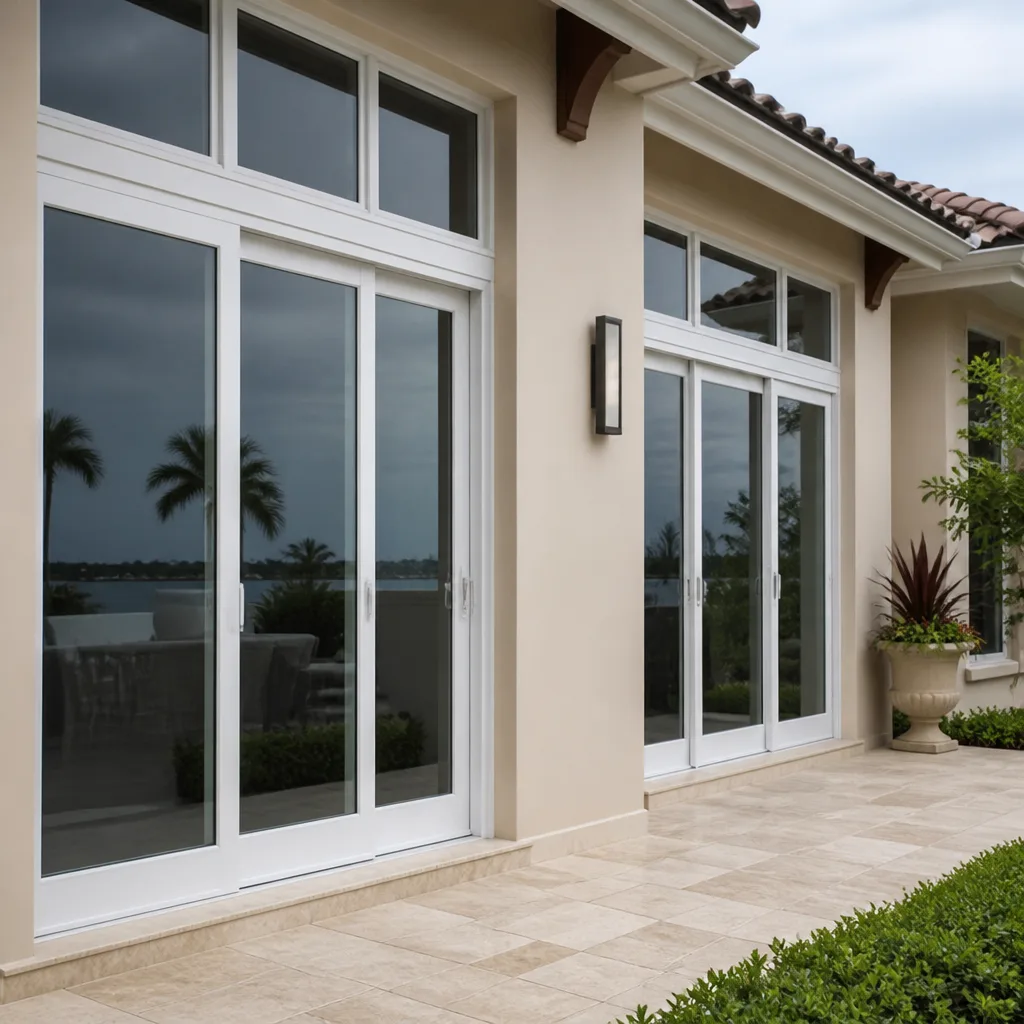
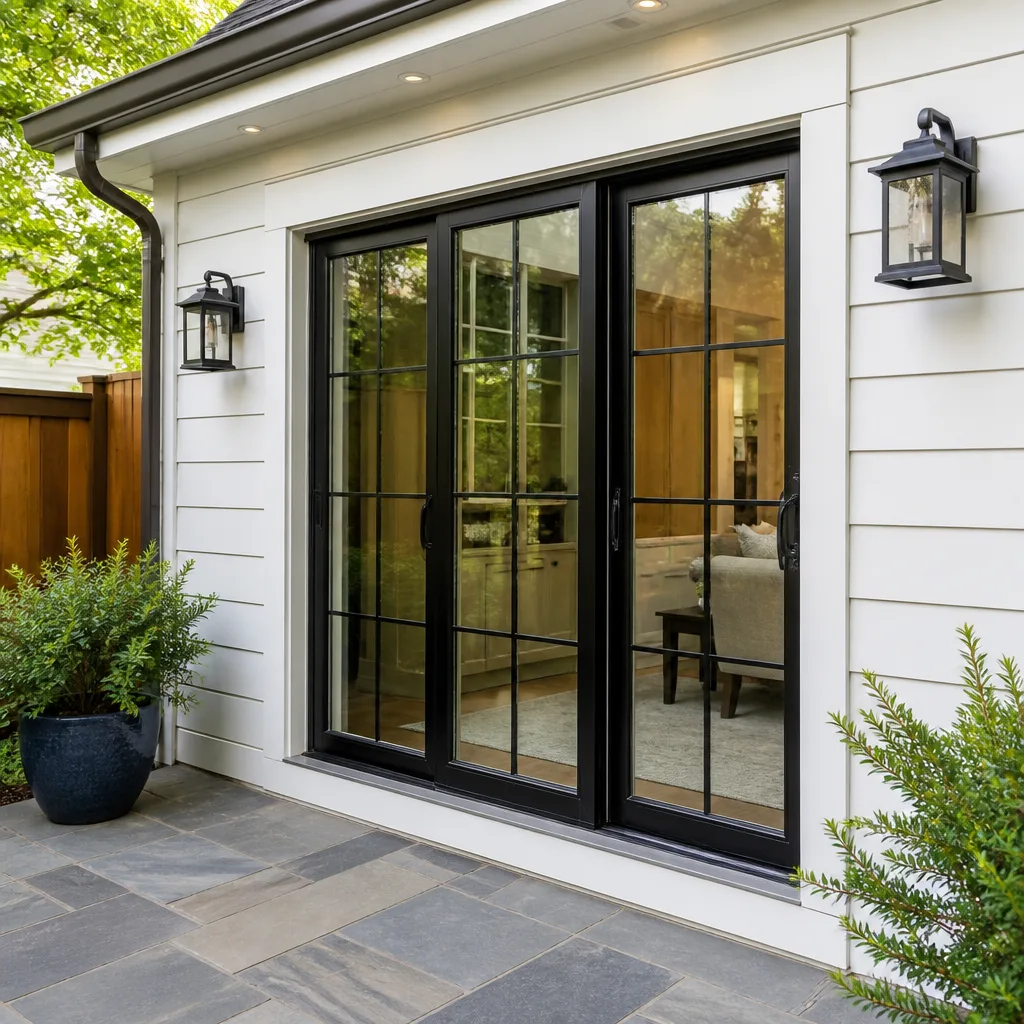
 Before
 After
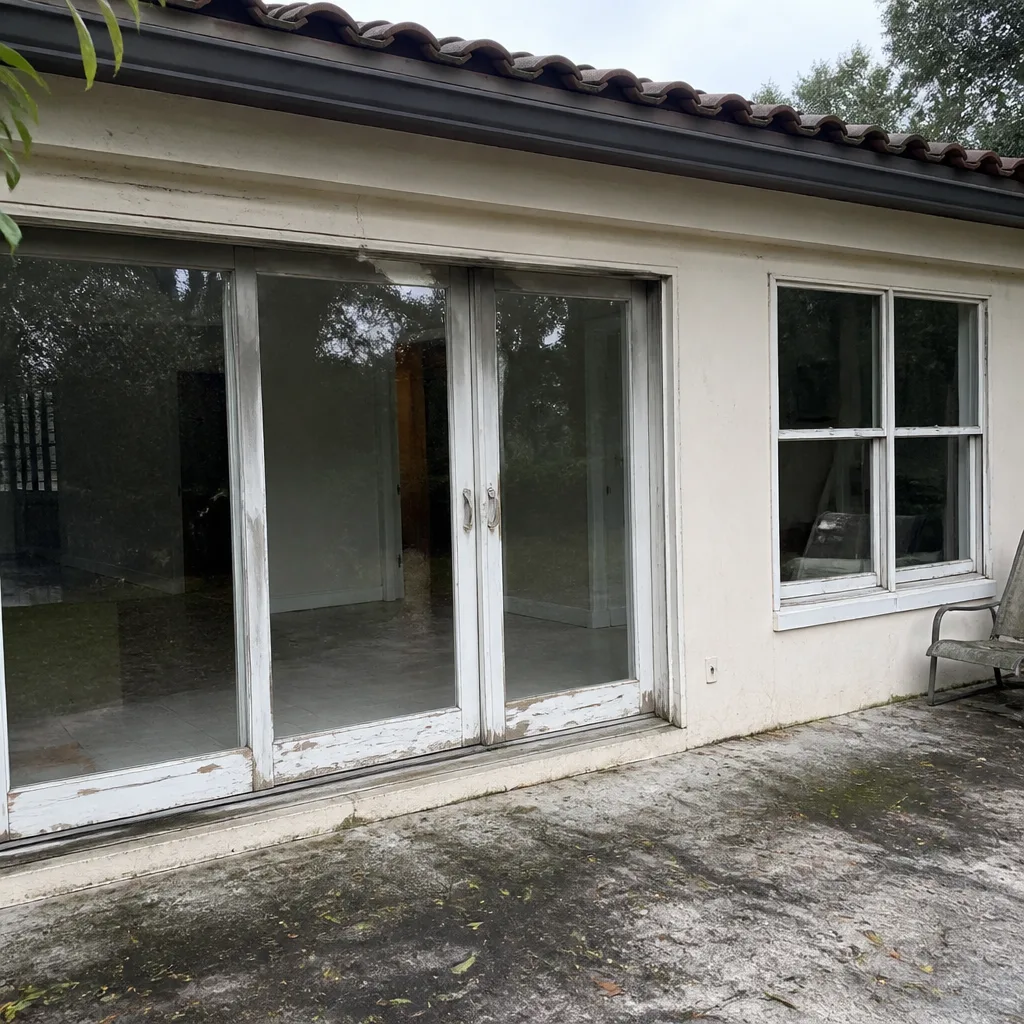
After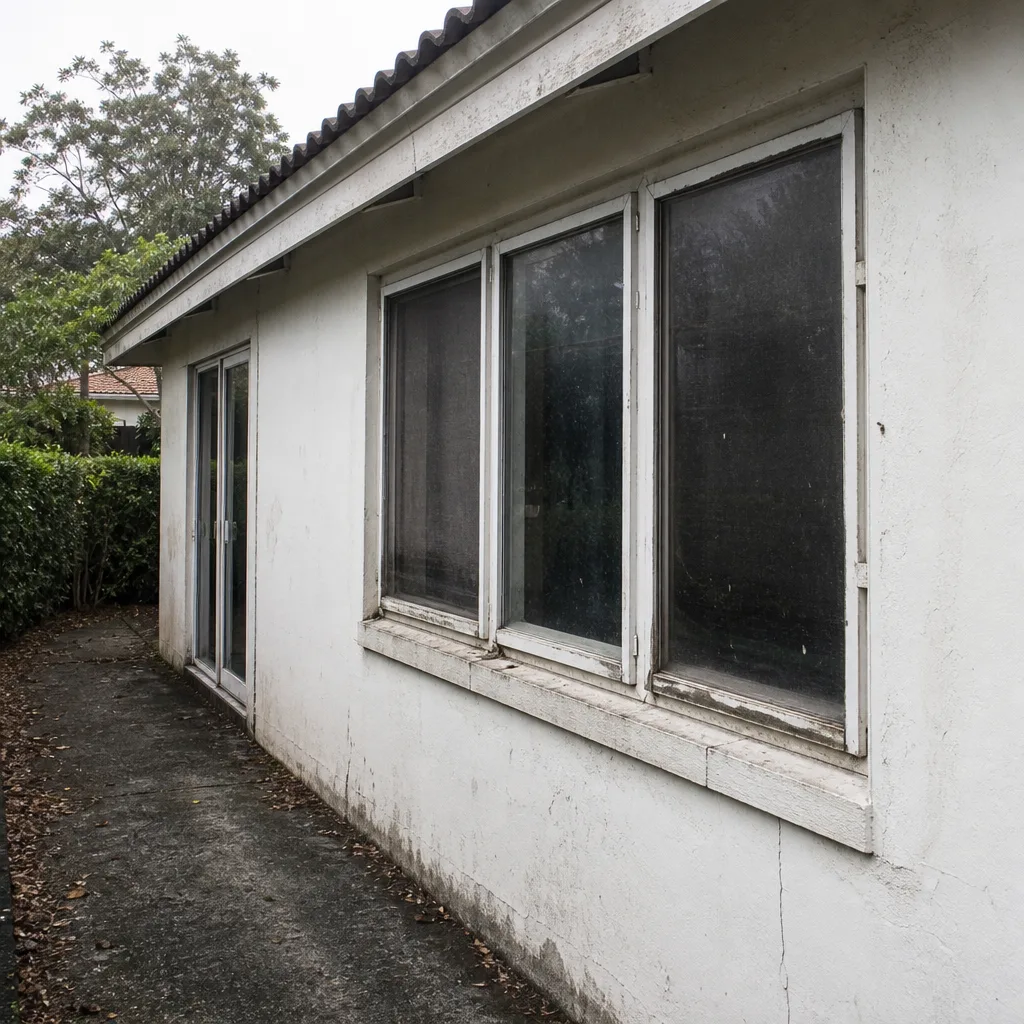 Before
 After
After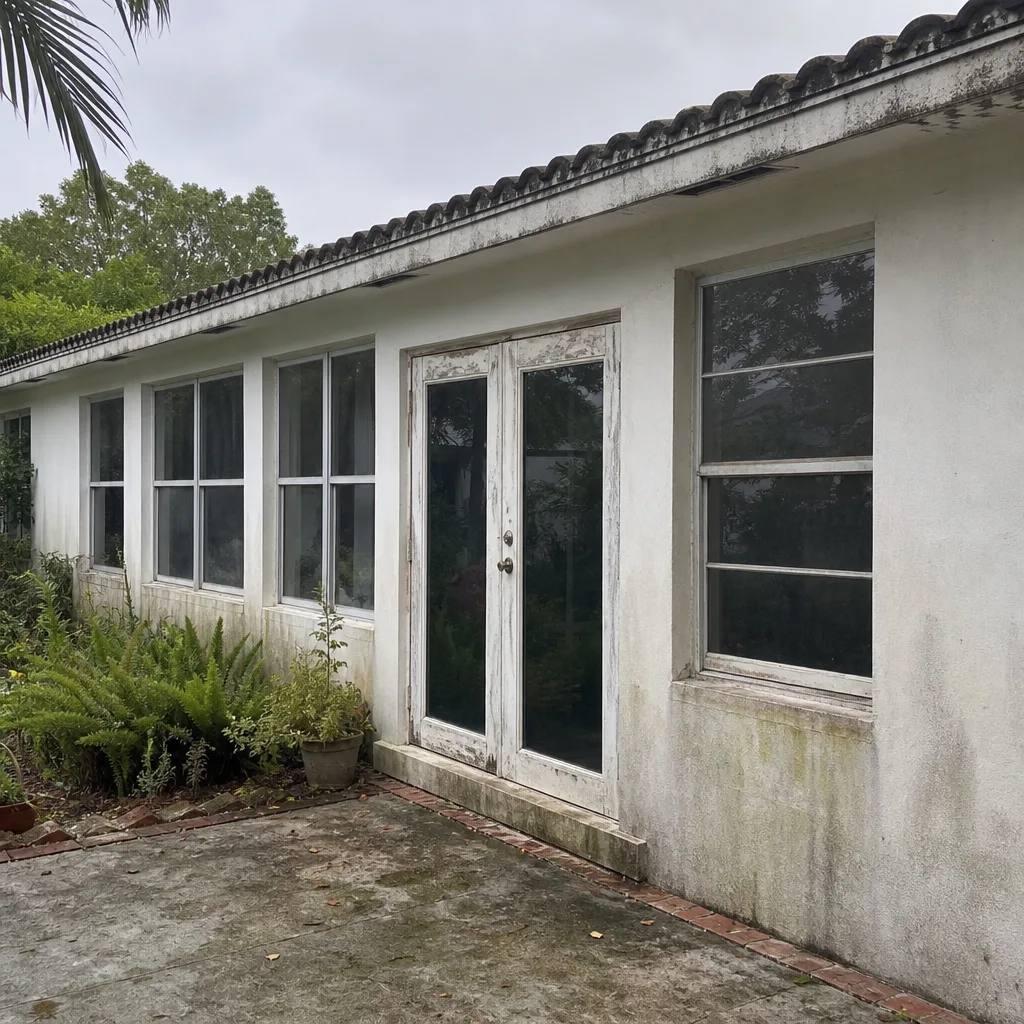 Before
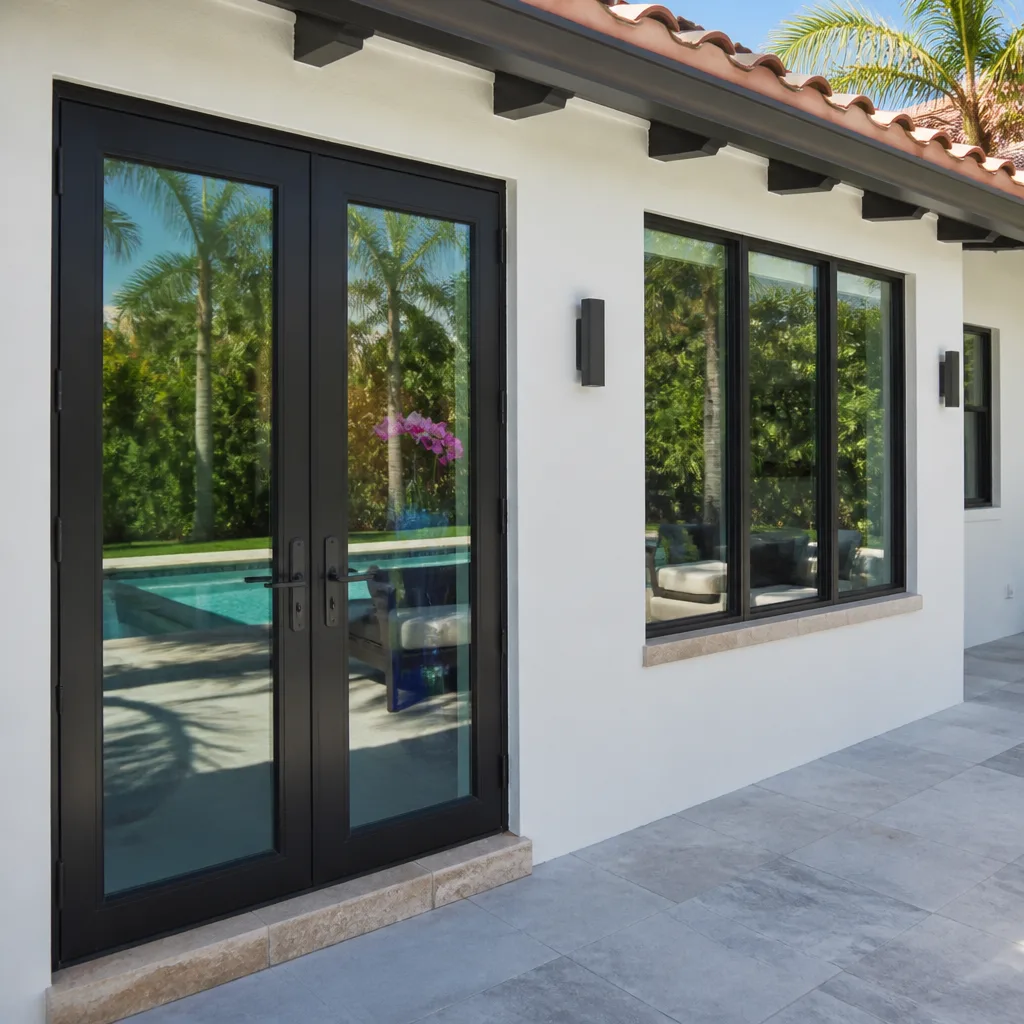 After
AfterWindow Installation Maintenance Checklist for Pinecrest Homeowners
A 1/16-inch gap at a sill corner in Pinecrest’s humidity transfers enough moisture vapor to feed mold growth inside a wall cavity within a single wet season - yet most post-installation checklists don’t include a feeler gauge step. In our experience inspecting windows across Pinecrest since 2012, we’ve found that homeowners who treat their Window Installation services as a finished product rather than a system requiring verification are the ones who call us five years later with frame rot that started at a drainage hole clogged during the first rainy season. This guide gives you the same 14-point inspection protocol we run on every finished job, with measurable thresholds instead of subjective “check for damage” language. You’ll learn what to measure, what the reading means, and at what point to call a licensed installer before the warranty window closes.
Quick Answer
Window installation maintenance in Pinecrest requires quarterly frame track rinsing, semi-annual sealant inspection with a 2mm feeler gauge, annual hardware torque verification, and pre-June-1 hurricane season drainage confirmation. Most manufacturer warranties and Miami-Dade Notice of Acceptance (NOA) terms require licensed contractors for any work involving the glazing pocket, structural fasteners, or impact-rated laminated glass. The checklist below - along with Windows & Doors Permits, Codes & Inspections in FL: What You Need to Know - separates owner-serviceable tasks from those that void your certification if performed by a non-licensed contractor.
Table of Contents

- Why Measurable Checklists Matter in Pinecrest
- The 14-Point Post-Installation Verification Protocol
- Salt-Air Maintenance: Four Tasks Inland Checklists Omit
- Owner-Serviceable vs. NOA-Protected Work
- Seasonal Maintenance Calendar for Pinecrest
- Documenting Your Install: The Photo Record Standard
- Common Mistakes to Avoid
- When to Call a Professional
- Frequently Asked Questions
 Before
 After
AfterWhy Measurable Checklists Matter in Pinecrest
Pinecrest sits at the edge of Miami-Dade’s High-Velocity Hurricane Zone, where the building code requires impact-rated products on every opening and where the salt-laden air from Biscayne Bay accelerates corrosion on hardware that would last decades inland. The difference between a window that performs for 25 years and one that fails at year seven is often invisible to the eye until the damage is structural.
Generic maintenance advice - “inspect weatherstripping annually” - fails here because it doesn’t tell you what to look for. Is the compression set acceptable at 30% or 50%? At what gap width does air infiltration exceed the design load? Without numbers, you’re guessing, and in Pinecrest’s climate, guessing costs.
We’ve documented the following failure patterns specific to this market:
- Sill pan blockage: Pinecrest’s dense tree canopy drops debris that clogs weep holes designed for 3/16-inch minimum drainage. Water backs into the sub-sill, and the marine-grade aluminum frame becomes a conduit for wicking.
- Sealant UV degradation: South Florida’s UV index averages 9.5 in summer. Neutral-cure silicones rated for 20 years in Ohio chalk to failure in 8-12 years here.
- Hardware galvanic corrosion: The combination of salt air and the dissimilar metals common in multi-point locking systems creates electrolytic action that seizes mechanisms.
- Pressure-equalization chamber contamination: Impact-rated units rely on chambered drainage. Pinecrest’s pollen seasons - oak in March, mango in April - pack these chambers with organic material that hydrolyzes into acidic residue.
The window installation in Pinecrest that follows the Haven Standard leaves with a measured survey and a photo record. This checklist extends that documentation into the maintenance phase, giving you the same tolerances we use to verify our own work.
The 14-Point Post-Installation Verification Protocol

Run this protocol at handover, at the one-year anniversary, and after any major storm. Each point includes the measurement tool, the pass/fail threshold, and the action if it fails.
Points 1-4: Frame and Sill Integrity
- Sill level (torpedo level, 9-inch): Bubble centered within vial lines. Fail: bubble breaks either line. Action: Shim adjustment by licensed installer - frame twist stresses operable sash.
- Sill pan drainage (visual + wire probe): Weep holes clear to 3/16-inch minimum diameter. Fail: obstruction or diameter reduction. Action: Compressed air or mechanical clearing by owner; if blocked by installation debris, call installer under warranty.
- Frame-to-rough-opening gap (feeler gauge, 0.002-inch resolution): Gap uniform at 1/4-inch to 1/2-inch for shim placement. Fail: gap exceeds 3/4-inch or is tighter than 1/8-inch. Action: Reinstallation assessment - excessive foam compression or inadequate structural attachment.
- Corner sealant bead continuity (visual + probe): No voids exceeding 1/8-inch in continuous bead at head, jambs, and sill. Fail: void or discontinuity. Action: Removal and reapplication by licensed contractor - owner-applied sealant voids most manufacturer warranties.
Points 5-8: Operable Sash and Hardware
- Sash operation force (fish scale or calibrated hand): Single-hung lower sash raises with 5-15 lbs force; horizontal roller operates at 8-20 lbs. Fail: force exceeds upper limit or sash drifts unassisted. Action: Track cleaning (owner); balance spring or roller replacement (licensed contractor).
- Lock engagement (visual + feel): Multi-point locks seat fully with audible click at each point. Fail: soft close, missed point, or visible gap at lock strike. Action: Strike adjustment (owner if accessible); mechanism replacement (licensed contractor).
- Weatherstrip compression (feeler gauge, 0.001-inch): Closed sash compresses bulb seal to 50-70% of original profile height. Fail: compression below 50% (leakage) or above 70% (accelerated wear). Action: Replacement by manufacturer-authorized technician - profile-specific parts required.
- Screen frame fit (visual + hand test): Screen seats fully in track with no daylight visible at corners. Fail: bowed frame or corner gap. Action: Screen replacement - owner-serviceable on most units, but verify NOA doesn’t require certified reinstallation.
Points 9-12: Glazing and Impact Rating
- Glazing pocket integrity (visual only - no disassembly): No visible delamination at glass-to-frame edge, no moisture between lites on IGUs. Fail: fogging, delamination, or spacer bar visible. Action: Glazing unit replacement by licensed contractor - owner disassembly voids Miami-Dade NOA.
- Impact label legibility (visual): Miami-Dade HVHZ label present and readable on frame or sash. Fail: missing, painted over, or illegible. Action: Documentation request from original installer; replacement label from manufacturer with proof of purchase.
- Laminated glass edge condition (visual, 10x loupe if available): No chip deeper than 1/16-inch or longer than 1/2-inch within 2 inches of edge. Fail: edge chip exceeding limits. Action: Replacement - edge damage propagates under thermal stress.
- Pressure-equalization chamber function (water test, 2-minute gentle spray): Water drains to exterior within 5 minutes; no pooling in track. Fail: standing water or drainage to interior. Action: Chamber cleaning (owner if accessible); frame replacement if chamber is cracked (licensed contractor).
Points 13-14: Documentation and Warranty
- Measured survey match (document comparison): Installed unit dimensions match the measured survey within 1/8-inch. Fail: discrepancy. Action: Installer callback - Haven Clause 1 requires the quote and the measurement to be the same document.
- Photo record completeness (digital review): Pre-install, rough-opening, installed unit with level, and post-sealant photos present. Fail: missing image. Action: Request from installer - every Haven Standard job includes this as Clause 4: Evidence on Every Job.
The window replacement in Pinecrest that follows this protocol at year one typically shows zero degradation if the installation was correct. Any failure at this stage indicates either installation error or product defect - both covered under the 365-Day Done Right Promise if Sightline performed the original work.
Salt-Air Maintenance: Four Tasks Inland Checklists Omit
Florida’s interior counties - Polk, Marion, even northern Broward - don’t experience the salt deposition rates that Pinecrest sees within three miles of Biscayne Bay. Standard maintenance checklists from national manufacturers assume inland conditions. These four tasks are specific to coastal South Florida and absent from generic guides.
1. Frame Track Rinsing: Monthly, Not Annually
Salt crystals from marine aerosol accumulate in horizontal sliding and single-hung tracks, creating abrasive paste when combined with wind-blown dust. The abrasion accelerates anodized coating wear, exposing bare aluminum to galvanic corrosion.
Procedure: Flush tracks with fresh water monthly during dry season (November-April), biweekly during wet season when salt deposition peaks. Use a soft brush to dislodge crystals. Dry with compressed air or lint-free cloth - standing water breeds the same corrosion you’re preventing.
Threshold: If white crystalline residue returns within 48 hours of rinsing, increase frequency or inspect for galvanic coupling between dissimilar metals in the hardware.
2. Stainless Steel Hardware Passivation: Annual
Not all “stainless” hardware is equal. Grade 304, common in residential windows, is susceptible to pitting in chloride environments. Grade 316 resists better but still requires maintenance.
Procedure: Apply citric acid passivation solution (10% concentration, available from marine suppliers) to hinges, locks, and operators annually. Rinse after 30 minutes. This restores the chromium oxide layer that salt air degrades.
Warning: Passivation of hardware attached to the glazing pocket or structural fasteners voids the Miami-Dade NOA if performed by a non-licensed contractor. The solution can wick into sealant joints if misapplied.
3. Sealant UV Assessment: Semi-Annual with Chalk Meter
UV-induced chalking is the precursor to sealant failure. A simple chalk meter (Durometer Type A, $40-$60) gives objective readings.
Procedure: Measure sealant durometer at three points per linear foot. Record baseline at installation. Re-measure semi-annually.
Threshold: Increase of 15 points or more from baseline indicates advanced cure and impending cracking. Schedule replacement before the wet season - failed sealant in June is a leak by August in Pinecrest.
4. Drainage Path Marine Growth Inspection: Quarterly
Algae and marine bacteria colonize drainage channels in shaded, humid conditions. The biofilm traps debris and creates anaerobic zones that corrode aluminum.
Procedure: Visual inspection of weep holes and drainage channels with borescope or dental mirror. Look for green/black film or sulfurous odor.
Threshold: Any visible growth requires cleaning with dilute bleach solution (1:10), followed by fresh water rinse. If growth recurs within 30 days, the drainage design may be inadequate for the microclimate - common on north-facing walls under dense canopy in Pinecrest’s older neighborhoods like Pinecrest Estates.
Products from ES Windows and ECO Window Systems specify marine-grade hardware and enhanced drainage as standard for coastal installations. When we specify these lines for Pinecrest openings, the maintenance intervals above extend by approximately 30% due to upgraded materials.
Owner-Serviceable vs. NOA-Protected Work

The Miami-Dade Notice of Acceptance is a product certification, not an installation warranty. But it carries maintenance restrictions that surprise many homeowners; see our Windows & Doors Cost Breakdown: The Pinecrest Homeowner’s Reference for 2026 for related cost implications. Performing certain work yourself - or hiring a handyman - can void the NOA and with it, your insurance coverage for storm damage.
Owner-Serviceable Tasks (No License Required)
- Track rinsing and debris removal
- Screen cleaning and replacement (non-impact screens only)
- Interior surface cleaning with manufacturer-approved solutions
- Exterior frame washing (below 40 psi, no direct spray on sealant joints)
- Lock lubrication with dry PTFE spray (not oil-based - attracts debris)
- Visual inspection of all accessible components
- Photo documentation for comparison over time
NOA-Protected Tasks (Licensed Contractor Required)
- Any work involving the glazing pocket, including cleaning between lites on IGUs
- Replacement of impact-rated glass or laminated lite
- Removal or adjustment of structural fasteners attaching frame to rough opening
- Sealant removal and reapplication at frame-to-wall interface
- Hardware replacement on impact-rated operable units (fastener torque affects design pressure rating)
- Balance spring, block-and-tackle, or constant-force balance replacement on single- or double-hung units
- Any modification to pressure-equalization chambers or drainage pathways
The distinction matters for insurance. If an owner-serviced window fails in a named storm and the insurer discovers unlicensed work on NOA-protected components, the claim may be denied regardless of the storm’s intensity. We’ve reviewed competitor installations in Pinecrest where this exact scenario played out after Hurricane Irma.
Mr-Glass impact products carry explicit NOA language requiring “installation and maintenance by Florida-licensed contractors familiar with HVHZ requirements.” The door installation in Pinecrest we perform with Therma-Tru systems includes the same restriction on multi-point lock adjustment - owner tampering voids the pressure rating.
Seasonal Maintenance Calendar for Pinecrest
Pinecrest’s weather windows are narrow and predictable. Maintenance timed to these windows prevents the emergency calls we field every June when the first tropical wave exposes deferred work.
March-May: Pre-Hurricane Season Preparation
Run the full 14-point protocol. Focus on drainage verification - Pinecrest’s March oak pollen and April mango bloom pack weep holes just before the rains intensify. Schedule any licensed-contractor work now; availability compresses after June 1.
Verify impact labels are legible and photo-documented. If labels are painted over or faded, request replacements from the manufacturer with your original order documentation.
June-August: Storm Response Only
No preventive maintenance during peak storm season - if a tropical system is within five days, your time is better spent on shutter installation and landscape securing. Post-storm, run Points 1, 4, 9, and 12 only: structural integrity, sealant continuity, glazing condition, and drainage function.
Document with photos before any cleanup. Insurance adjusters and warranty claims require pre-repair evidence. The Haven Standard’s documented photo record at installation gives you a baseline for comparison.
September-October: Post-Season Deep Clean
Salt and debris accumulation peaks after summer storms. This is your annual frame track passivation and sealant chalk meter reading. Schedule sealant replacement now if readings indicate need - contractors have availability before the snowbird season demand spike.
November-February: Hardware and Operational Maintenance
Dry season is hardware maintenance window. Lubricate locks and operators with dry PTFE. Check sash balance and roller operation while humidity is low - binding that’s tolerable in dry air indicates failure approaching in humid conditions.
Verify weatherstrip resilience: cold fronts bring drier air that causes shrinkage in degraded bulbs. A gap visible in January becomes a leak in June.
| Task | Frequency | Optimal Timing | License Required? |
|---|---|---|---|
| Frame track rinsing | Monthly (dry) / Biweekly (wet) | Year-round | No |
| Full 14-point protocol | Annual | March-May | Partial |
| Sealant durometer check | Semi-annual | March, September | No (check); Yes (replace) |
| Hardware passivation | Annual | September-October | No (surface); Yes (immersion) |
| Post-storm inspection | Per event | Within 48 hours | Partial |
| Weatherstrip compression check | Annual | January-February | Yes (replacement) |
Documenting Your Install: The Photo Record Standard

Every Haven Standard job leaves with a documented photo record. Homeowners should maintain this documentation and extend it through the maintenance lifecycle. Here’s what the record should contain, and what to add at each maintenance interval.
At Installation (Provided by Installer)
- Pre-install: existing conditions, including any damage to adjacent finishes
- Rough opening: framing condition, moisture barrier integrity, shim placement
- Installed unit with level in frame: proves square and plumb at handover
- Post-sealant: continuous bead, tool finish, backer rod visible where required
- Operable sash in open and closed positions
- Impact label close-up, legible
- Final site condition, clean and complete
At Each Maintenance Interval (Homeowner Adds)
- Date-stamped wide shot of each elevation
- Close-up of sealant condition at representative corner
- Weep hole condition, clear or obstructed
- Hardware condition, any corrosion visible
- Any anomalies with measurement notation (feeler gauge in gap, chalk meter reading)
The value of this record is comparative. A photo from March 2024 showing clean weep holes and a photo from March 2025 showing obstruction documents maintenance diligence for warranty claims. Conversely, a 2025 photo showing no obstruction when water damage is present in 2026 helps isolate causation.
We store installation records for the life of the product. Sightline Windows & Doors Pinecrest home customers can request their original photo set at any time - Haven Clause 4: Evidence on Every Job means the evidence persists.
Common Mistakes to Avoid
- Using a pressure washer on frames: The 2,000+ psi stream that cleans your driveway drives water past sealant beads and into the rough opening. We’ve replaced rotted sills in Pinecrest’s Snapper Creek area where homeowners pressure-washed annually. Use gentle hose spray only, below 40 psi at the nozzle.
- Oil-based lubricants on hardware: WD-40 and 3-in-1 oil attract pollen and salt crystals, creating abrasive paste. Use dry PTFE spray exclusively. The white film it leaves is the lubricant; don’t wipe it off.
- Ignoring the 1/16-inch gap: That threshold from the opening hook isn’t theoretical. In Pinecrest’s 75%+ summer humidity, a 1/16-inch gap at a sill corner admits approximately 0.3 liters of moisture vapor per day into the wall cavity. Over a six-month wet season, that’s enough to saturate standard fiberglass insulation to mold-supporting levels.
- DIY sealant “touch-up”: Caulking over cracked sealant traps water between layers. The new bead looks fine; the old bead continues to leak underneath. Proper removal requires cutting back to sound substrate - a licensed contractor task.
- Deferring maintenance until sale preparation: We inspect windows for Pinecrest sellers who discover deferred maintenance has become structural repair. A $400 sealant replacement at year five becomes a $4,000 sill and drywall repair at year ten. The photo record, maintained annually, prevents this.
- Assuming impact rating equals maintenance-free: Impact-rated units have more complex drainage and more hardware points than standard units. They require more maintenance, not less. The NOA assumes maintenance is performed; it doesn’t certify neglect tolerance.
- Using bleach on anodized aluminum: Sodium hypochlorite attacks the anodic coating. The frame looks cleaner; the protective layer is compromised. Use manufacturer-specified cleaners only, or mild detergent and fresh water.
When to Call a Professional
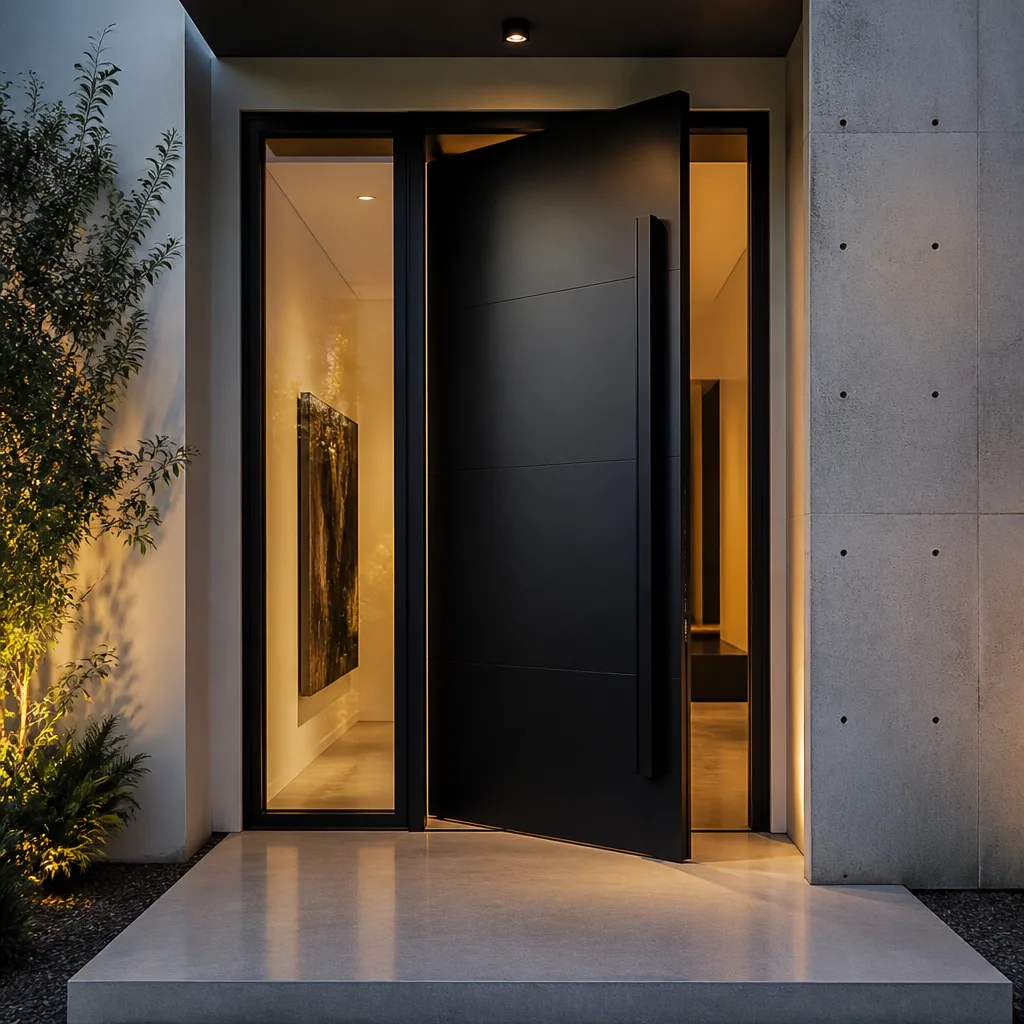
Call a licensed window and door contractor when: the 14-point protocol yields any fail condition; you observe fogging or moisture between lites; operation force increases suddenly (indicates balance failure, not just dirt); sealant durometer increases 15+ points from baseline; or impact labels are missing or illegible. After any tropical storm or hurricane, call if water entered the structure at or near a window opening, even if the glass is intact - frame deflection under pressure can compromise sealant without visible damage.
Sightline Windows & Doors Pinecrest offers free estimates in Pinecrest - call (786) 442-3200. We also provide free second opinions on any written estimate from another contractor, per Haven Clause 1: Have It in Writing, and our more guides & resources for ongoing education. Bring your measured survey and photo record; we’ll review against the same 14-point protocol we use on our own jobs.
Frequently Asked Questions
Professional maintenance inspection runs $150-$300 for a typical 15-opening home, with sealant replacement at $8-$14 per linear foot and hardware passivation at $25-$40 per opening. Most Sightline customers who had their installation performed under the Haven Standard require only the inspection fee in years one through five if the maintenance checklist is followed. Call (786) 442-3200 for an exact quote - estimates are free.
Owner-serviceable tasks as defined by the manufacturer won’t void the product warranty, but work on NOA-protected components by unlicensed persons voids the Miami-Dade certification regardless of manufacturer warranty status. The distinction is in the documentation: keep records of what you did and when, and never disassemble glazing pockets or remove structural fasteners.
Quality neutral-cure silicone in Pinecrest’s UV and salt environment typically requires replacement at 8-12 years, compared to 15-20 years inland. The chalk meter reading is your objective indicator - not the calendar. We recommend first measurement at year five to establish baseline, then semi-annual monitoring.
All windows in Pinecrest require maintenance, but impact-rated units have more critical failure points - laminated glass edge seals, pressure-equalization chambers, and multi-point hardware all degrade with neglect. The Miami-Dade HVHZ code that mandates impact rating also assumes maintenance is performed to sustain the design pressure rating over the product life.
Weep hole obstruction from tree debris. Pinecrest’s canopy density - live oak, mahogany, gumbo limbo - produces year-round leaf drop and spring pollen loads that inland Florida doesn’t match. Monthly visual inspection during wet season prevents the backed-up moisture that causes frame corrosion and interior drywall damage.
Request their photo record and measured survey. A Haven Standard installation provides these as standard; if your installer didn’t, run the 14-point protocol yourself and compare findings to manufacturer specifications. The absence of documentation at handover is itself a red flag - evidence-first installation means the customer keeps the proof.
The Bottom Line
Window maintenance in Pinecrest is measurable, not guessable. The 1/16-inch gap, the 3/16-inch weep hole, the 15-point durometer increase - these are the thresholds that separate preventive care from reactive repair. The salt air, UV exposure, and hurricane code requirements that define this market demand specificity that generic checklists don’t provide. Maintain your photo record, respect the NOA license requirements, and time your work to the seasonal calendar. The window system that performs for decades is the one whose maintenance was documented with the same precision as its installation.
Written by Sonia Raman, Owner at Sightline Windows & Doors Pinecrest, serving Pinecrest since 2012.