
Last updated September 24, 2026
Free in-home measure and quote - PGT, CGI and CWS impact lines compared on your actual openings, style by style
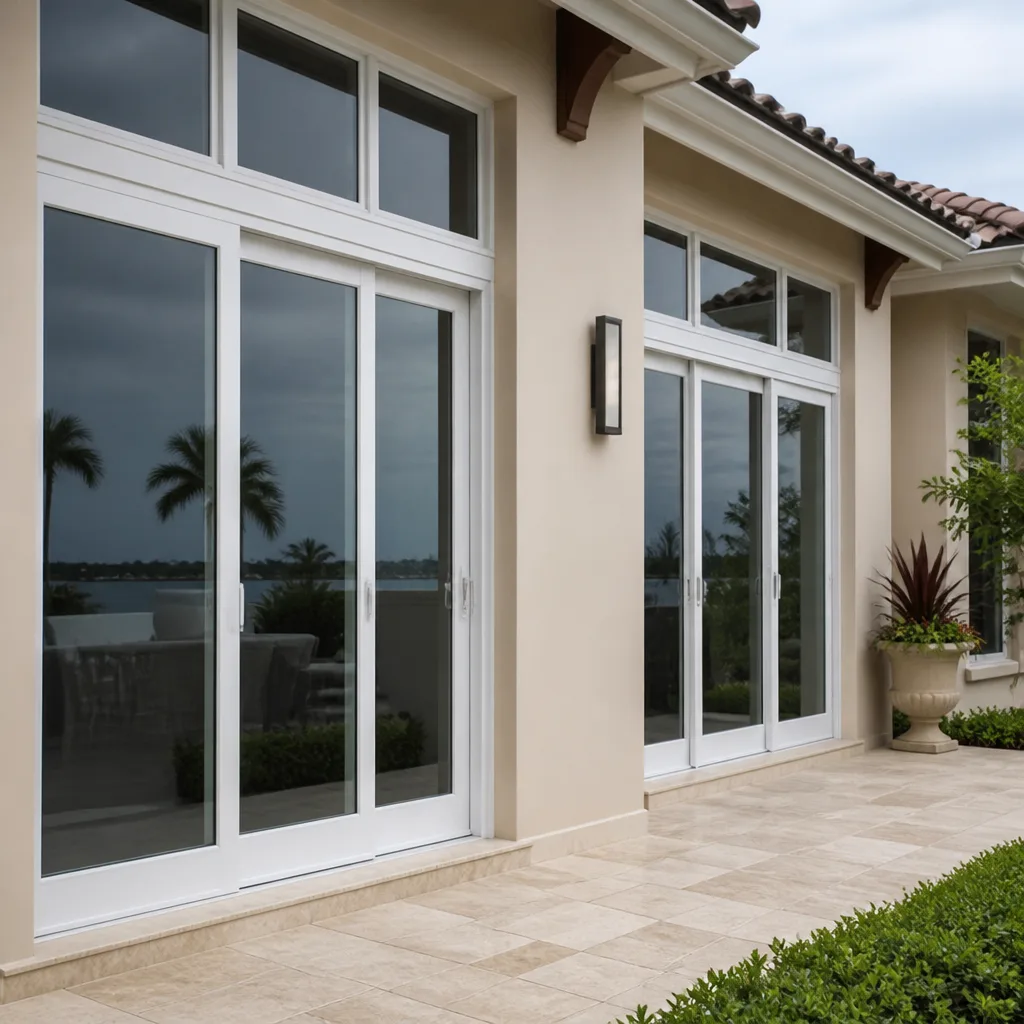
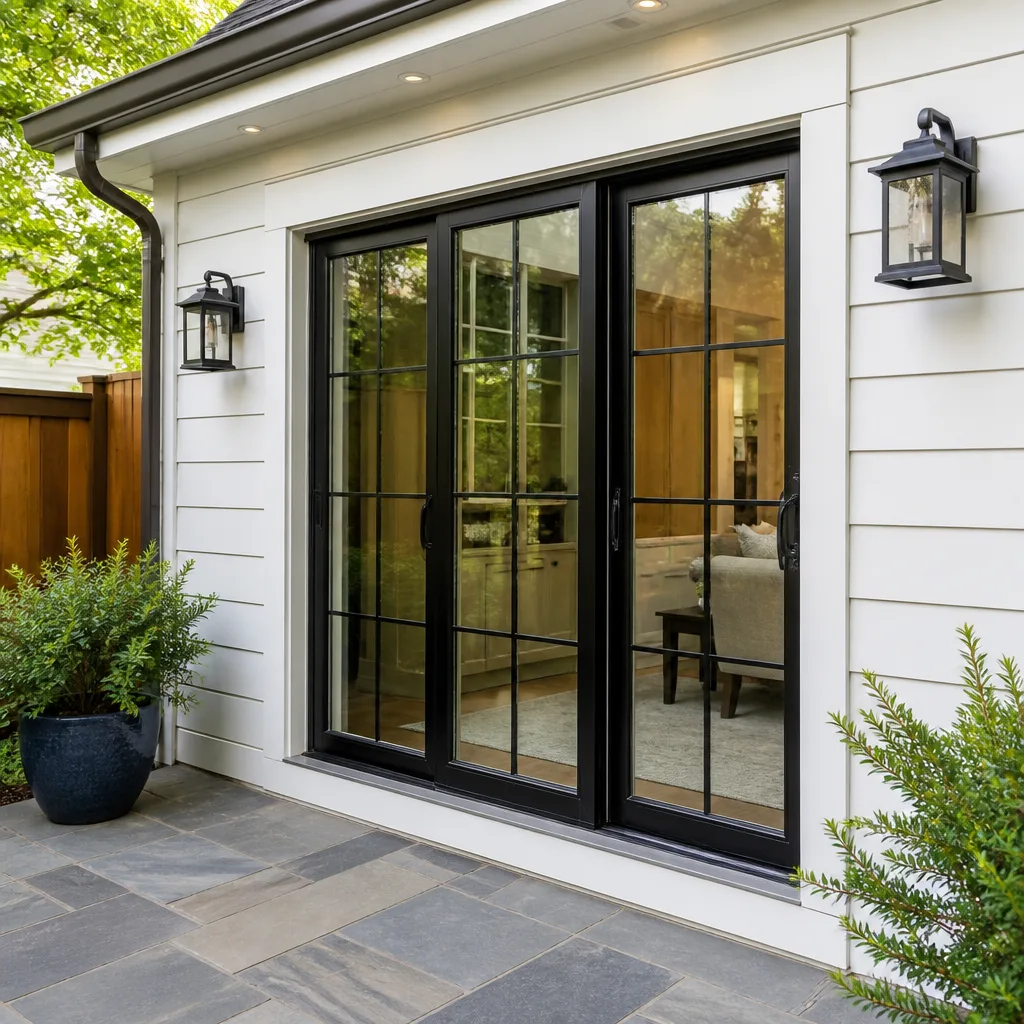
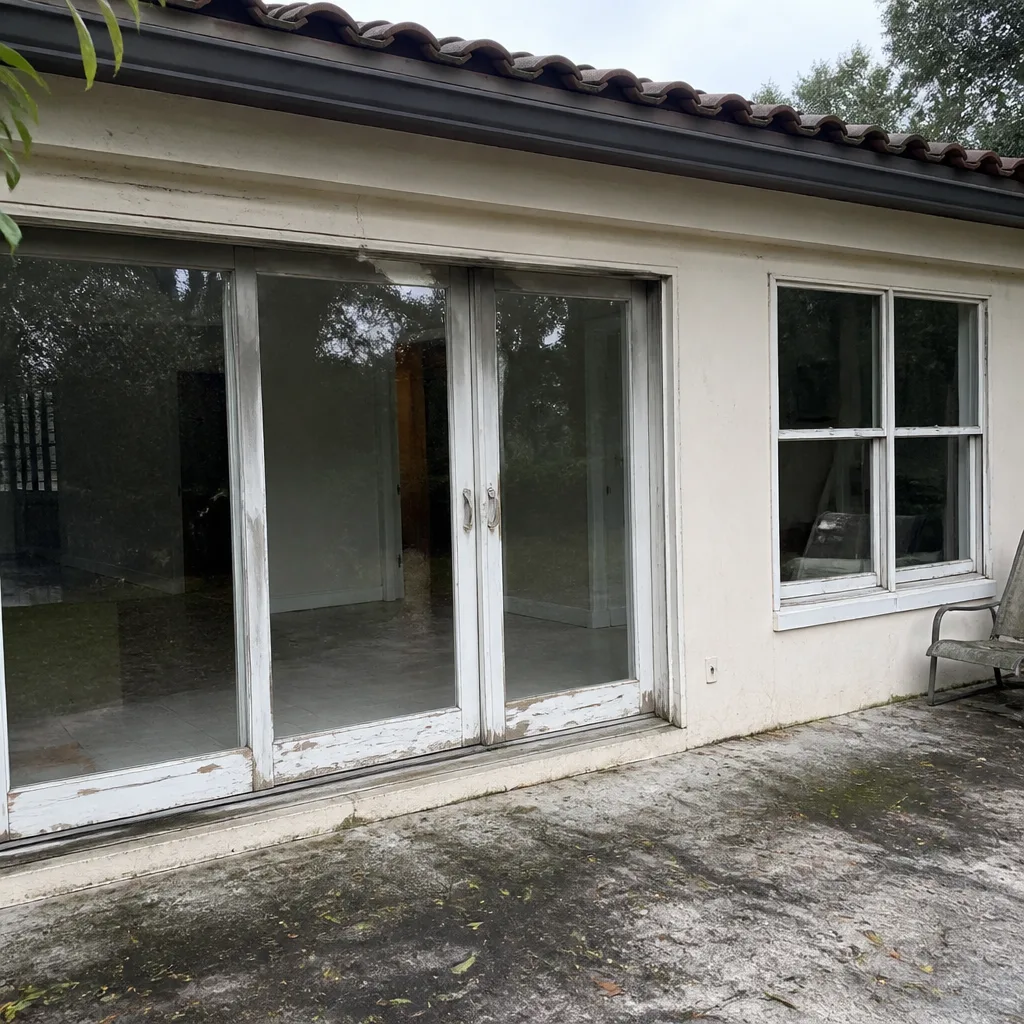 Before
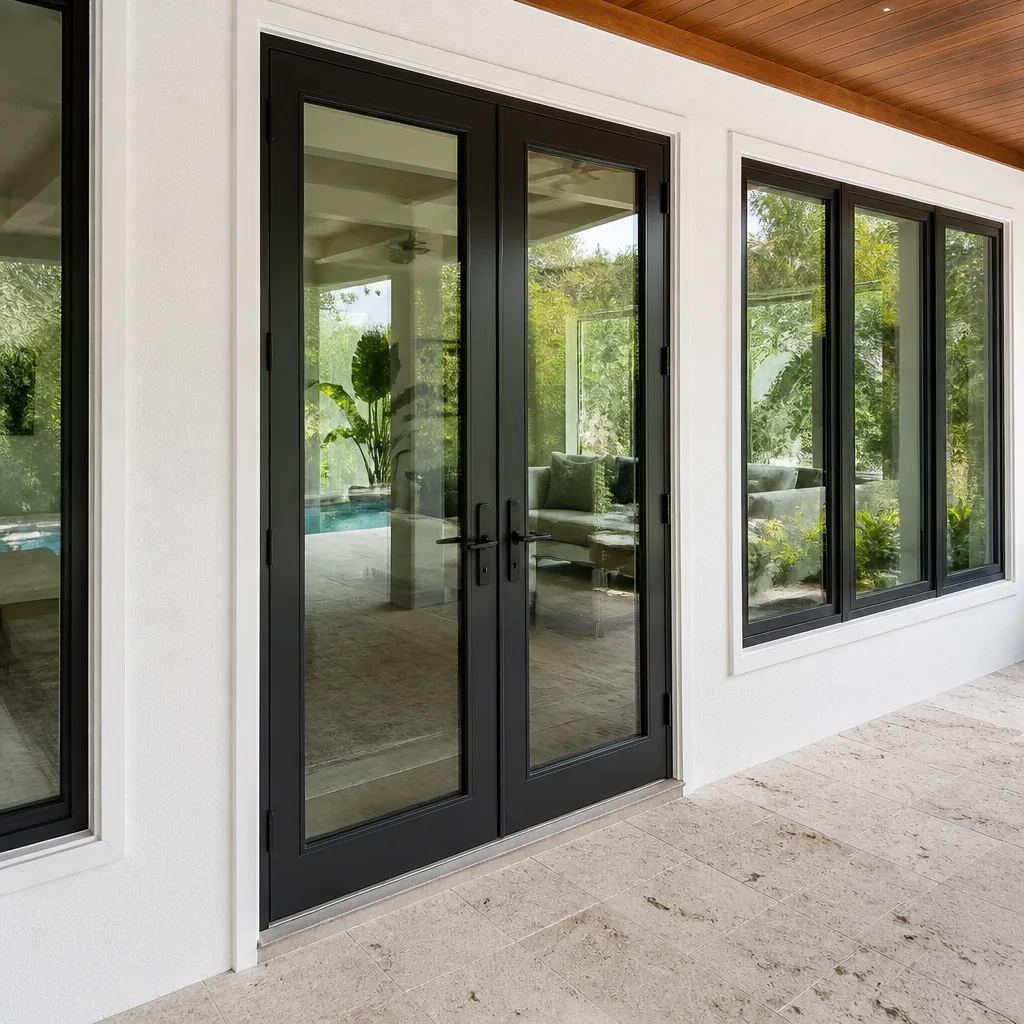 After
After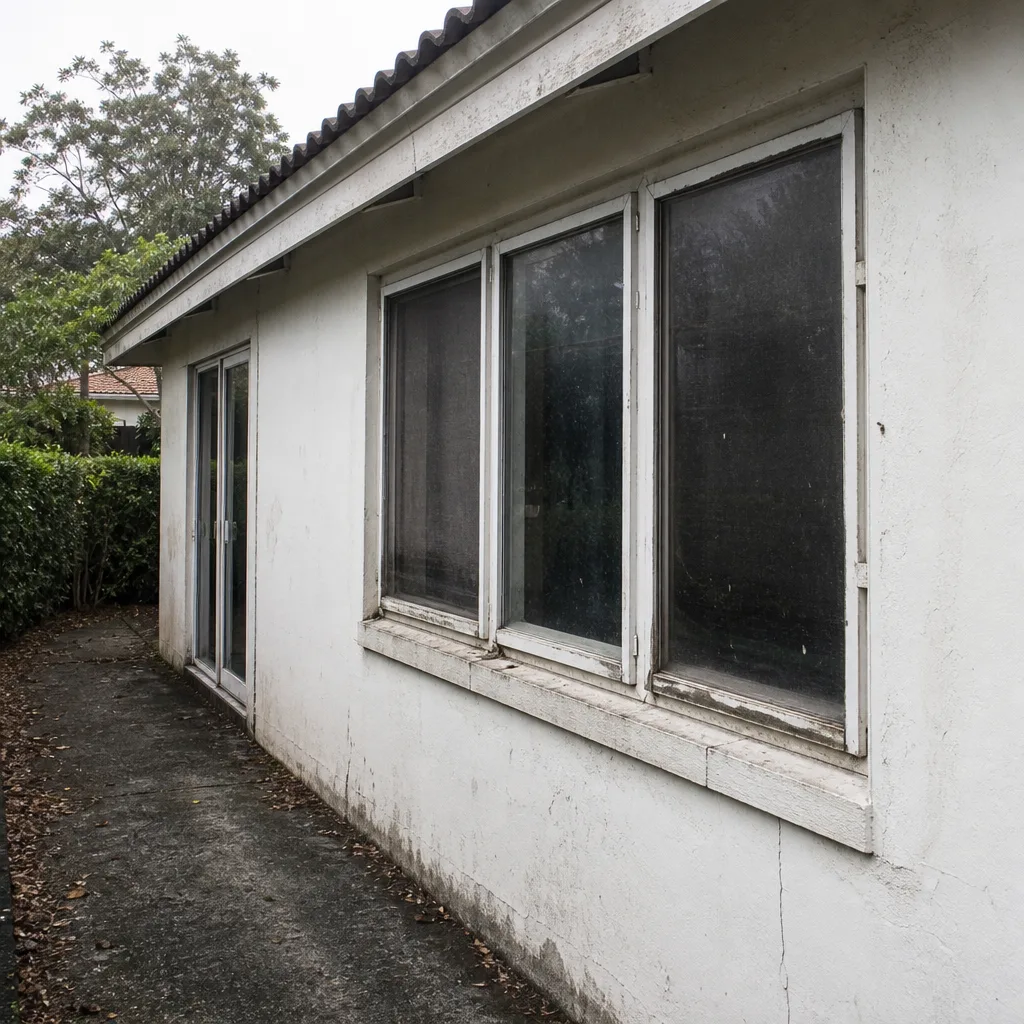 Before
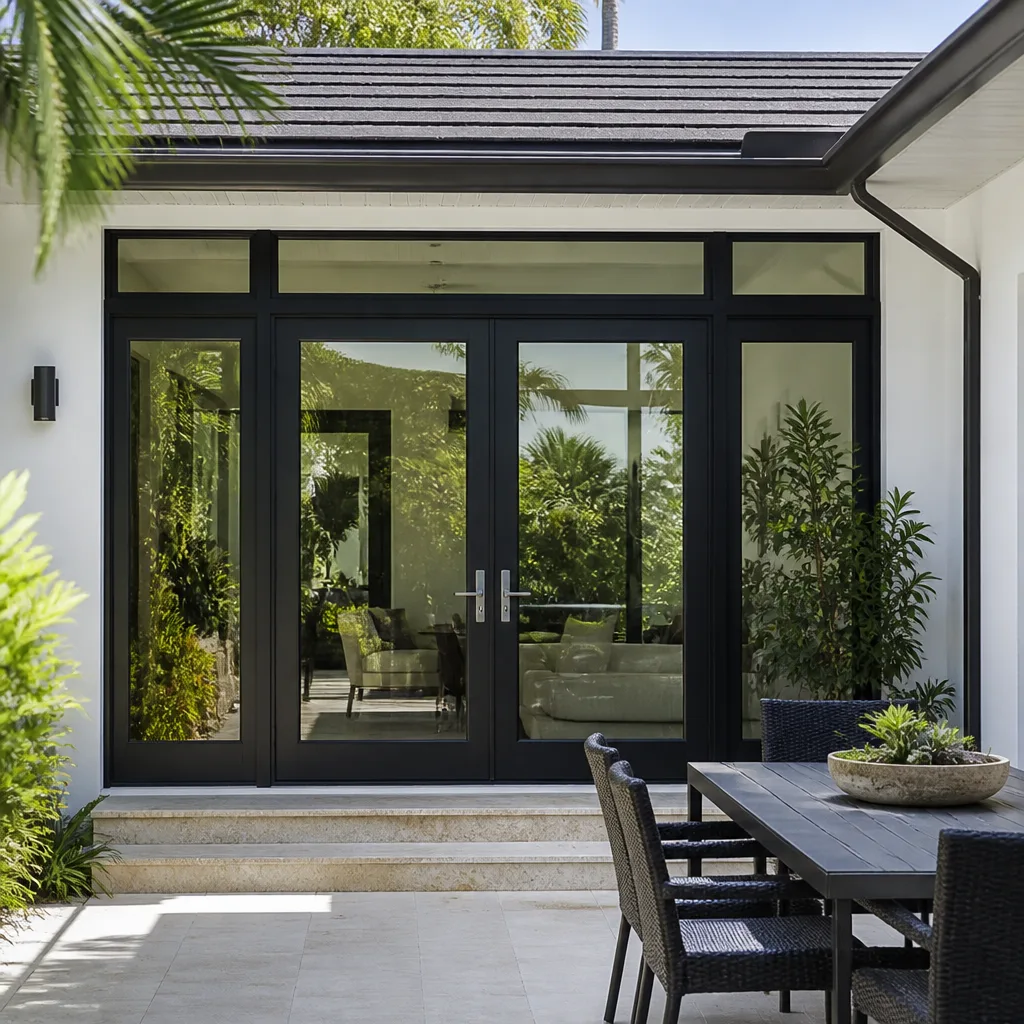 After
After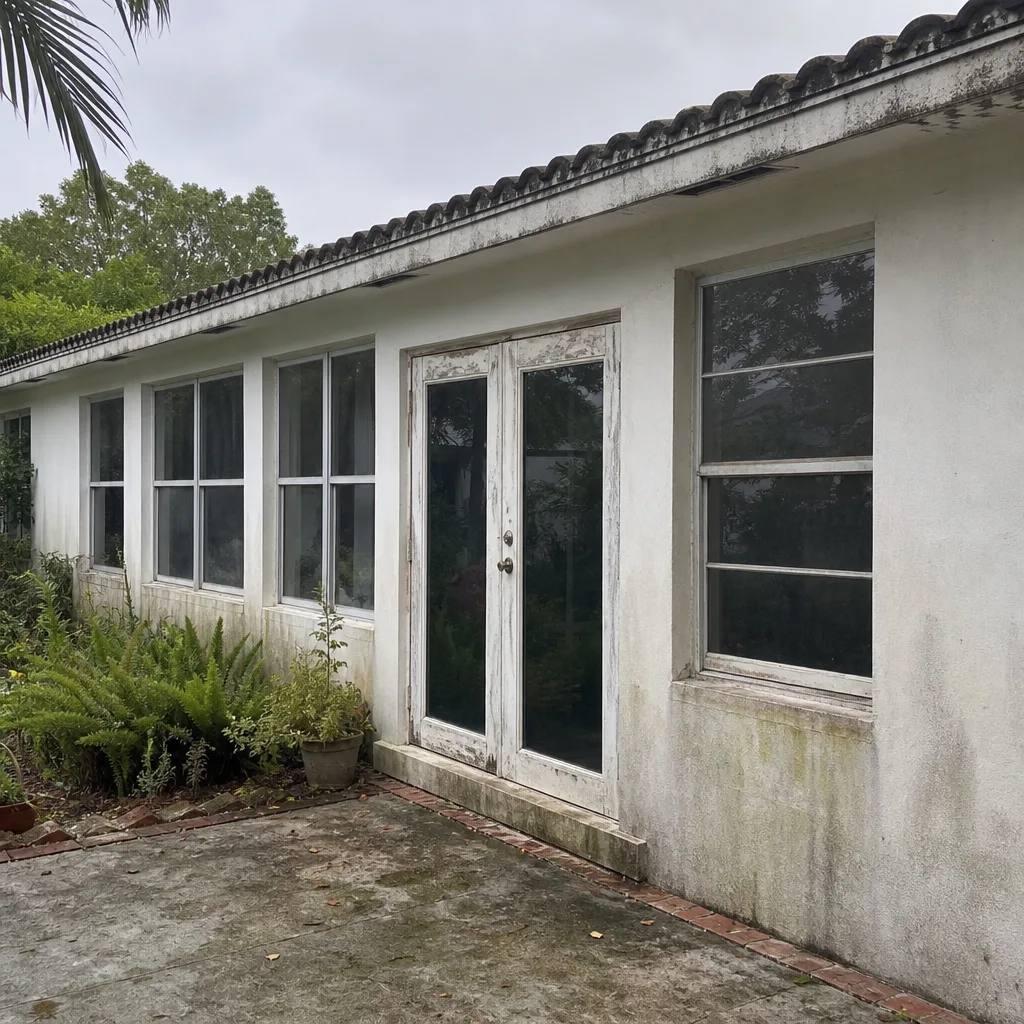 Before
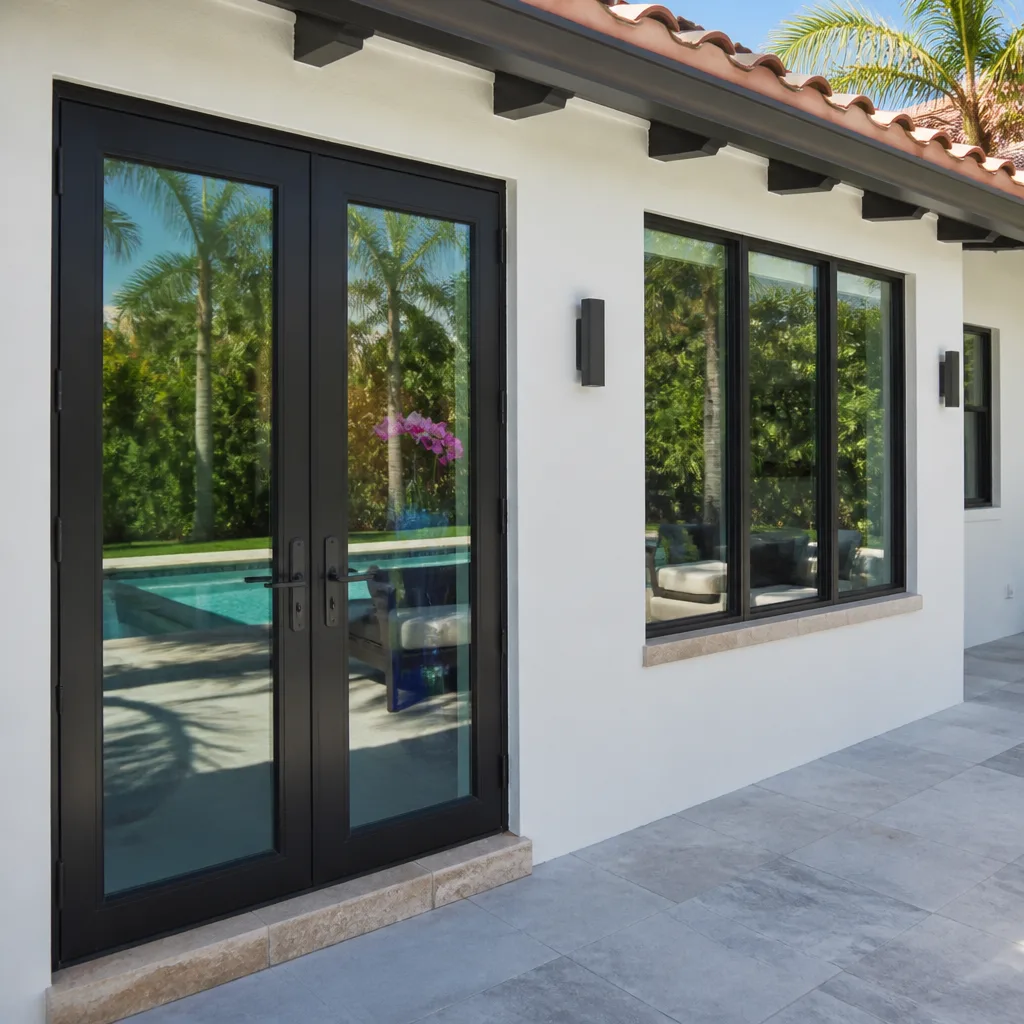 After
AfterWindows & Doors Permits, Codes & Inspections in FL: What You Need to Know
An unpermitted window replacement in Miami-Dade doesn’t just risk a fine - it can appear as an open violation on a title search and delay or kill a home sale, a fact that Miami-Dade’s online permit portal does not advertise. In Pinecrest, we’ve seen this scenario repeatedly: a homeowner who replaced windows in 2019 with a contractor who skipped permits discovers the violation when refinancing in 2024, then faces retroactive fees, a stop-work order on unrelated kitchen work, and a two-month closing delay. This guide maps exactly which permits you need, where to file them, and what inspectors measure - because in this zip code, the filing authority depends on the specific work, not your address alone. For Windows & Doors Warning Signs: A Pinecrest Homeowner’s Reference Guide, see our companion resource.
Quick Answer
Most window and door replacements in Pinecrest require a building permit from either the Village of Pinecrest Building Department or Miami-Dade County, depending on whether the work is interior or exterior, residential or commercial, and whether it triggers Miami-Dade’s high-velocity hurricane zone requirements. For a deeper look at these requirements, see our Complete Guide to Windows & Doors in Pinecrest. The current Florida Building Code (8th Edition, 2023) mandates impact-rated products or approved shutters for all exterior openings in this zone, and every permit application must include a Notice of Acceptance (NOA) document for each product. Three inspections - rough-in, framing, and final - verify that what was approved on paper matches what was installed.
Table of Contents

- Which Jurisdiction Handles Your Permit: Pinecrest Village vs. Miami-Dade County
- Florida Building Code: The Rules That Govern Every Opening
- The NOA Submittal: What Documents You Need and How to Format Them
- The Three-Stage Inspection Sequence: What Inspectors Actually Measure
- The Real Cost of Skipping Permits: Stop-Work Orders to Title Encumbrances
- Impact-Rated vs. Non-Impact: What Pinecrest Homes Actually Need
- Common Mistakes to Avoid
- When to Call a Professional
- Frequently Asked Questions
- The Bottom Line
 Before
 After
AfterWhich Jurisdiction Handles Your Permit: Pinecrest Village vs. Miami-Dade County
Pinecrest homeowners sit at the intersection of two permit jurisdictions, and filing with the wrong one is the most common reason we see permit rejections in this market. The distinction is not arbitrary - it follows the service boundaries established before Pinecrest’s 1996 incorporation.
Village of Pinecrest Building Department handles:
- Interior door replacements within existing residential openings where no structural modification occurs
- Window repairs that do not alter the rough opening dimensions or the exterior envelope
- Single-family residential cosmetic upgrades that do not trigger Miami-Dade County environmental or structural review
Miami-Dade County Building Department handles:
- All exterior window and door replacements that modify the building envelope
- Any work requiring Miami-Dade product approval (NOA) for high-velocity hurricane zone compliance
- Impact-rated product installations, which are mandatory for all exterior openings in this zone
- Commercial properties regardless of interior or exterior work
- Any project where the combined valuation exceeds Pinecrest’s residential threshold (currently $5,000 for structural envelope work)
Miami-Dade County Department of Environmental Resources Management (DERM) enters the process when:
- Work occurs within 50 feet of a wetland or water body (relevant for Pinecrest properties near Snapper Creek or its tributaries)
- Tree removal is required to access the opening
- Stormwater drainage patterns change due to the modification
Here’s the practical test we use: if the window or door faces the exterior and the product carries an NOA number, Miami-Dade County likely holds jurisdiction. If it’s an interior pocket door replacement within existing drywall, Pinecrest Village typically processes the permit. When in doubt, Pinecrest Village’s Building Department will redirect you - but that redirection costs 5-10 business days, which is why we verify jurisdiction before submitting any application.
For window installation in Pinecrest, we file with Miami-Dade County in approximately 85% of cases. For door installation in Pinecrest, the split is closer to 60/40 County to Village, depending on whether the door is an entry system or an interior upgrade.
Florida Building Code: The Rules That Govern Every Opening

The 8th Edition (2023) of the Florida Building Code is the enforceable standard. For window and door work in Pinecrest, three code sections matter more than others.
Section 1609 - Wind Loads: Miami-Dade County is designated a high-velocity hurricane zone (HVHZ), which means the design wind speed is 175 mph (ultimate) for Risk Category II buildings. Every exterior window and door must demonstrate resistance to these loads through either impact testing or approved protective coverings. The code does not grandfather existing non-impact products - replacement triggers compliance.
Section 2405 - Glass and Glazing: This governs safety glazing requirements, thermal performance (U-factor and SHGC - Solar Heat Gain Coefficient), and structural support of glass. For Pinecrest’s climate, the prescriptive U-factor maximum is 0.60 for non-impact windows and 0.65 for impact-rated products, with SHGC capped at 0.25 for the southern zone. These numbers appear on the NFRC label and must match the NOA submittal.
Section 3109 - Swimming Pool Enclosure and Safety Features: Relevant for Pinecrest homes with pools - any door or window serving as a pool barrier must comply with specific opening control, alarm, or self-closing/self-latching requirements. We’ve replaced French doors in Ponce-Davis-area homes where this section added $400-600 to the project for compliant hardware.
The Florida Building Code also references the Miami-Dade County Code of Ordinances, Chapter 8, which imposes additional product approval requirements. A product can meet Florida Building Code standards nationally and still fail Miami-Dade’s local amendment. This is why our eight manufacturer lines - PGT, CGI, CWS, ES Windows, ECO Window Systems, Mr-Glass, Therma-Tru, and ViewLux - are each verified for Miami-Dade NOA status before we specify them for any Pinecrest opening.
One detail competitors often miss: the code requires a water infiltration test at 15% of design pressure for field-installed windows. Inspectors perform this with a spray rack and pressure differential gauge. We’ve seen installations fail not because the product was wrong, but because the sealant application at the sill pan didn’t match the NOA detail drawing. The measured survey we provide - Haven Clause 1 - includes frame readings that predict this outcome before ordering begins.
The NOA Submittal: What Documents You Need and How to Format Them
The Notice of Acceptance (NOA) is Miami-Dade County’s product approval certificate. Without it, your permit application stops at intake. With it, the product is pre-qualified for the loads and conditions the code requires.
Here’s what the NOA contains and why each section matters:
- NOA Number and Revision Date: Must be current at time of application. Revisions occur when manufacturers update profiles, hardware, or glazing packages. An expired NOA is a rejected permit.
- Product Description and Limitations: Specifies the exact frame depth, reinforcement schedule, and glazing thickness approved. Substituting a 3/4-inch insulated unit where the NOA requires 1-inch violates the approval.
- Installation Details: The attachment pattern - screw spacing, embedment depth, sealant bead dimensions. This is what inspectors compare against in the field.
- Large Missile Impact and Cyclic Pressure Test Results: The proof that the product survived 9-pound 2×4 lumber at 50 feet per second, followed by 9,000 positive and negative pressure cycles.
- Small Missile Impact Results (if applicable): Required for products above 30 feet elevation.
Format requirements for permit submittal:
- Complete NOA document, not the manufacturer’s marketing sheet
- Product data sheet cross-referenced to the NOA number
- Installation instructions, current revision, with the specific detail drawing for the wall type (concrete block, wood frame, steel stud)
- Engineering calculations if the opening exceeds tested dimensions or if multiple units are mulled together in a configuration not explicitly covered
We maintain current NOA files for all eight of our manufacturer lines. When a Pinecrest homeowner requests window replacement in Pinecrest, we identify the specific product, verify NOA status, and include the complete submittal package with the permit application. This is standard evidence - Haven Clause 4 - not an additional service.
One practical note: Miami-Dade’s online portal accepts PDFs up to 50MB per file. Consolidated NOA documents for multi-opening projects often exceed this. We split by manufacturer and cross-reference in the application narrative to prevent upload failures that delay review.
The Three-Stage Inspection Sequence: What Inspectors Actually Measure
Permit approval is not the finish line. Miami-Dade County requires three inspections for window and door replacements, and each has specific physical measurements that determine pass or fail.
Stage 1: Rough-In Inspection
Called before any product is installed, though in practice it often occurs with the old unit removed and the opening exposed. The inspector verifies:
- Rough opening dimensions match the approved plans within 1/4 inch
- Structural integrity of surrounding framing - no rotted sill plates, compromised lintels, or termite damage
- Flashing preparation at the sill, including slope to exterior and end dams
- Presence of required reinforcement for impact-rated anchorage
In Pinecrest’s older homes - particularly in the original 1950s-1960s ranch stock near Red Road and Snapper Creek - we frequently find sill rot that wasn’t visible until removal. The rough-in inspection catches this, but it also stops the job. Our measured survey includes moisture meter readings at the sill and jamb when accessible, which reduces this surprise.
Stage 2: Framing Inspection
Occurs with the new unit set but before interior or exterior trim is applied. The inspector measures:
- Product labels match the NOA submittal - manufacturer, model, dimensions, impact rating
- Fastener type, spacing, and embedment depth per the NOA detail drawing
- Shim placement and attachment of the frame to the rough opening
- Sealant type and bead dimensions at the interior and exterior perimeters
- Operable sash function - latching, locking, limit devices
This is where most failures occur. A common issue: the installer used #10 screws at 12-inch spacing where the NOA specifies #12 at 8-inch spacing. Another: the sealant is generic silicone rather than the polyurethane specified for the substrate. These are not aesthetic preferences. They are structural connections that determine whether the window stays in the opening during a Category 5 event.
Stage 3: Final Inspection
The comprehensive verification after all trim, finishes, and hardware are complete:
- Visual confirmation that the installed product matches the approved label and NOA
- Water infiltration test at 15% of design pressure (approximately 2.6 psf for most Pinecrest applications)
- Operational test of all hardware, including egress requirements for bedroom windows
- Verification of required warning labels and operation instructions affixed to the product
- Photo documentation for the permit file
The water test surprises some homeowners. Inspectors set up a spray rack that delivers 5 gallons per hour per square foot while applying negative pressure to the interior. Any visible water penetration is a fail. We’ve passed every final inspection in our Pinecrest work because our installation crews follow the NOA detail drawings precisely - and because we perform our own spray test before calling for inspection.
Timeline reality: scheduling all three inspections typically takes 10-15 business days in Miami-Dade County’s current queue. Pinecrest Village processes faster - 5-7 business days - but again, most exterior work falls to the County.
The Real Cost of Skipping Permits: Stop-Work Orders to Title Encumbrances
The consequences of unpermitted window and door work follow a predictable timeline, and understanding it helps explain why we never proceed without permits - Haven Clause 1 requires the scope in writing, and the permit is part of that scope.
Phase 1: Discovery
Unpermitted work is discovered through:
- Code compliance complaint (neighbor, HOA, or anonymous)
- Building department audit triggered by satellite imagery comparison
- Permit application for unrelated work that reveals the discrepancy
- Title search or appraisal for sale or refinance
Miami-Dade County’s satellite monitoring program has flagged exterior modifications since 2018. A roof permit application often triggers a review of visible window changes.
Phase 2: Stop-Work Order
If work is ongoing, a stop-work order halts all activity. If completed, the order prevents any new permits for the property until resolution. In Pinecrest, this has stalled pool construction, kitchen renovations, and additions - all because a window replacement from three years prior lacked a permit.
Phase 3: Retroactive Permit Process
The homeowner must:
- Apply for the permit retroactively, paying the standard fee plus a penalty of 200% of the original fee (minimum $500)
- Submit all required documents - NOA, plans, product data - as if the work were new
- Expose the installation for inspection, which typically requires removing interior trim at minimum and sometimes exterior cladding
- Pass all three inspection stages
- Correct any deficiencies found, which may require product replacement if the installed unit lacks Miami-Dade approval
Phase 4: Title Encumbrance
Until the permit is closed, the violation appears in Miami-Dade’s online property search. Title insurers flag this. Lenders require resolution before closing. In our experience, this adds 30-90 days to a sale timeline and costs $2,000-8,000 in fees, legal review, and potential reinstallation.
The specific risk in Pinecrest: home values here support jumbo mortgages where underwriting scrutiny is highest. A $50,000 window package without permits can derail a $2 million sale. We’ve provided documentation for retroactive permits in these situations, but the cost is always higher than doing it correctly initially.
Impact-Rated vs. Non-Impact: What Pinecrest Homes Actually Need

Miami-Dade County’s HVHZ designation means impact-rated products are mandatory for all exterior openings unless protected by approved shutters or panels. There is no grandfather clause for replacement - when you replace, you comply with current standards.
What “impact-rated” means:
The product has passed ASTM E1886 and E1996 testing - large missile impact followed by cyclic pressure loading. The NOA certifies this performance. Impact-rated does not mean “hurricane-proof.” It means the opening maintains structural integrity after impact, preventing rapid internal pressurization that destroys roofs and walls.
Product categories we specify:
- PGT WinGuard and CGI Estate Collections: Aluminum impact-rated systems with laminated glass, specified for openings requiring maximum structural performance and clean sightlines
- Therma-Tru Fiber-Classic and ViewLux entry systems: Impact-rated door slabs with reinforced frames, specified where the entry system must match architectural character while meeting HVHZ loads
- ECO Window Systems and ES Windows: Vinyl and aluminum hybrid systems for energy performance with impact certification, specified where U-factor and SHGC drive the selection
Non-impact products are permitted only for interior applications or exterior openings with permanent approved shutters. In Pinecrest’s market, shutters on every opening is uncommon - the aesthetic and operational burden conflicts with the home values in this area. Impact-rated products are the practical standard.
One specification detail: impact-rated windows are heavier. A typical 36×72 double-hung impact unit weighs 85-110 pounds versus 45-60 for non-impact. This affects rough opening reinforcement, fastener embedment, and crew handling. Our measured survey includes weight calculations that inform the installation plan - part of the written scope the customer keeps.
Common Mistakes to Avoid
- Filing with Pinecrest Village for exterior envelope work. The Village will accept the application, review it for 5-7 days, then reject it for County jurisdiction. Always verify the correct authority before paying fees.
- Using a product with an expired NOA. NOA revisions occur without manufacturer announcement. We verify current status at permit application, not at quote.
- Installing non-impact products with “hurricane shutters to follow.” The permit requires shutters installed and inspected before final approval. “To follow” is not permitted language - it’s a failed inspection.
- Ignoring the sill pan detail. Pinecrest’s afternoon rain events test every installation. A skipped sill pan or improper end dam causes water intrusion that appears months later, after the permit is closed and the contractor is gone.
- Assuming a “like-for-like” replacement exempts permits. Miami-Dade County does not recognize this exemption for exterior openings. Any modification to the building envelope triggers permit requirements.
- Failing to schedule the rough-in inspection before closing walls. Inspectors cannot verify flashing behind installed trim. The re-exposure cost typically exceeds the original installation labor for that detail.
- Accepting a verbal permit status from a contractor. Miami-Dade’s online portal shows real-time status. We provide the permit number and teach customers to verify it - evidence-first, Haven Clause 4.
When to Call a Professional
Call a licensed contractor when the work involves exterior openings, structural modification, or any product requiring Miami-Dade NOA approval. The permit process is not a homeowner-friendly DIY procedure in this jurisdiction - the documentation requirements, inspection scheduling, and code interpretation assume trade knowledge. Read our DIY vs Professional Windows & Doors: The Pinecrest Homeowner’s Decision Guide for a full comparison.
Specific scenarios where professional handling is essential: mulled units or geometric configurations not explicitly covered by standard NOA drawings; openings in concrete block walls where fastener embedment and reinforcement coordination is critical; properties with prior unpermitted work that must be resolved before new permits issue; and any project where DERM review is triggered by wetland proximity or tree protection requirements.
Sightline Windows & Doors Pinecrest offers free estimates in Pinecrest - call (786) 442-3200. Every estimate includes a measured survey you keep, a written price before any work starts, and verification that your specified products carry current Miami-Dade NOA approval. Explore more guides & resources on our blog. Our technicians are background-checked, uniformed, and identified by license number before arrival, per Haven Clause 3.
Frequently Asked Questions
Permit fees depend on the jurisdiction and project valuation. Miami-Dade County charges approximately $85-120 per $1,000 of valuation for residential building permits, with a minimum fee around $340 for typical window replacements. Pinecrest Village fees are lower for qualifying interior work, typically $150-280. The total permit cost for a whole-home window replacement in Pinecrest usually ranges $1,200-2,400 including plan review and inspection fees. Call (786) 442-3200 for an exact quote - estimates are free.
No. The permit fee is fixed at application based on the declared valuation. What changes is the cost of correcting failed inspections or addressing conditions discovered during work - rotted framing, for example, that wasn’t visible until removal. Our written scope includes a contingency range for these discoveries, documented with photos. Haven Clause 5: no surprises.
We pull permits as part of our standard scope. The homeowner receives the permit number for online verification, and we handle all scheduling, inspection coordination, and correction of any inspector-identified issues. This is included, not an additional charge.
Miami-Dade County plan review for standard window and door replacements takes 10-15 business days. Pinecrest Village processes faster - 5-7 business days - for qualifying work. After permit issuance, the three inspection stages add another 10-15 business days depending on scheduling availability. Total timeline from application to closed permit: 4-6 weeks for County work, 3-4 weeks for Village work. We coordinate this timeline with product lead times so inspections occur when installation is complete.
The violation attaches to the property, not the owner. Resolution requires retroactive permitting with 200% penalty fees, exposure for inspection, and correction of any deficiencies. In Pinecrest, this most commonly affects homes sold in 2015-2020 when permit enforcement was less visible in online records. We provide documentation services for retroactive permits, though the cost is substantially higher than original permitting. Address this before listing - title searches now flag Miami-Dade violations routinely.
Only if the shutters are permanent, approved systems with their own NOA and proper installation documentation. Removable panels, Bahama shutters without impact rating, or decorative shutters do not satisfy the requirement. Most Pinecrest homes with “shutters” have decorative or colonial-style non-impact products that do not qualify. We evaluate existing shutter systems during our measured survey and specify accordingly.
No. Miami-Dade County requires permits for any exterior opening modification, regardless of quantity. The “one window” exemption does not exist in this jurisdiction. Pinecrest Village may not discover a single interior door replacement without permit, but the legal requirement remains, and the risk of discovery at sale or refinance is unchanged.
The Bottom Line
Window and door permits in Pinecrest are not bureaucratic obstacles - they are documented proof that your installation will perform when a hurricane arrives. The dual-jurisdiction reality, the NOA requirement, and the three-stage inspection sequence create complexity that rewards preparation and penalizes shortcuts. Unpermitted work becomes a title encumbrance with predictable regularity in this market. The correct filing authority, current product approvals, and inspection-ready installation details are the difference between a closed permit and a stalled sale. Every job we complete includes the permit in the written scope, the inspection in the timeline, and the photo record in the documentation you receive.
Call (786) 442-3200 to schedule your free estimate. We’ll verify jurisdiction, confirm NOA status for your specified products, and provide the measured survey and written price before any work starts - the Haven Standard since 2012.
Written by Sonia Raman, Owner at Sightline Windows & Doors Pinecrest, serving Pinecrest since 2012.