
Last updated September 24, 2026
Free in-home measure and quote - PGT, CGI and CWS impact lines compared on your actual openings, style by style
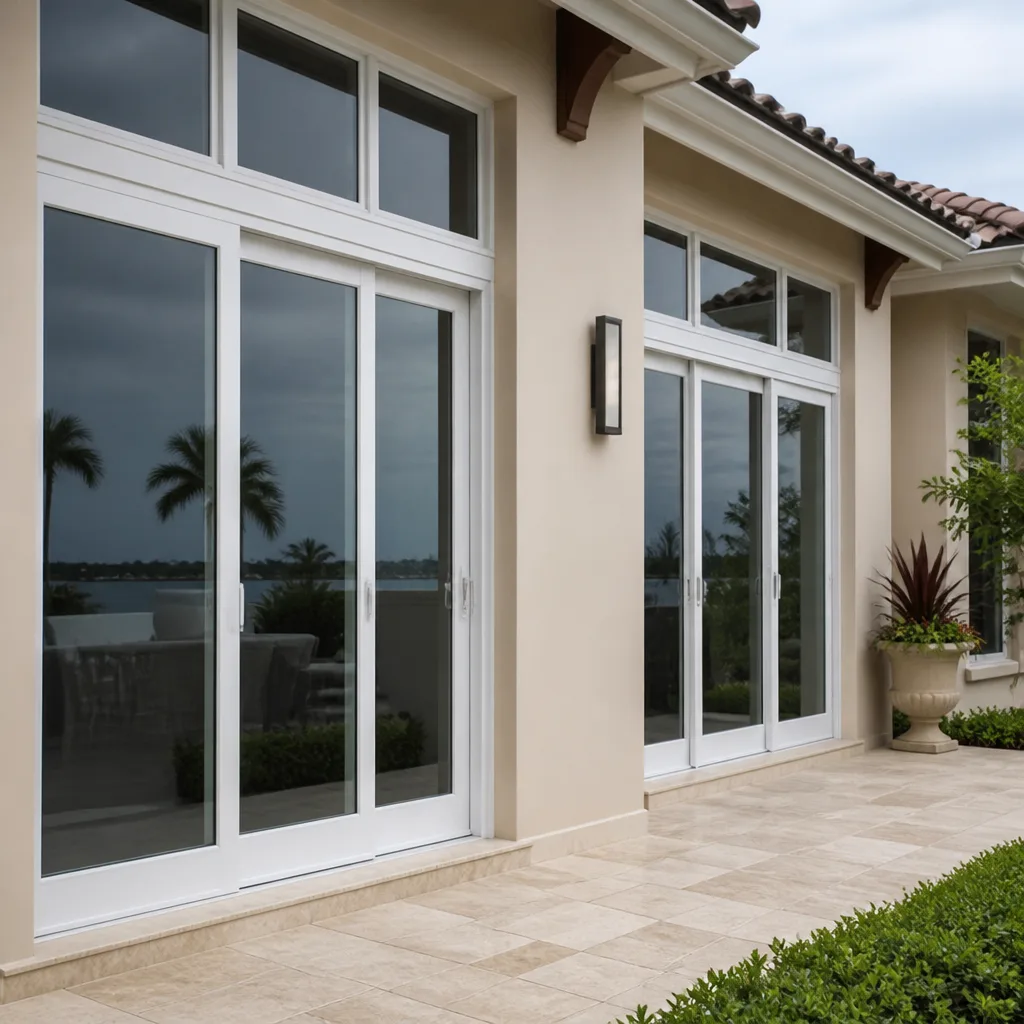
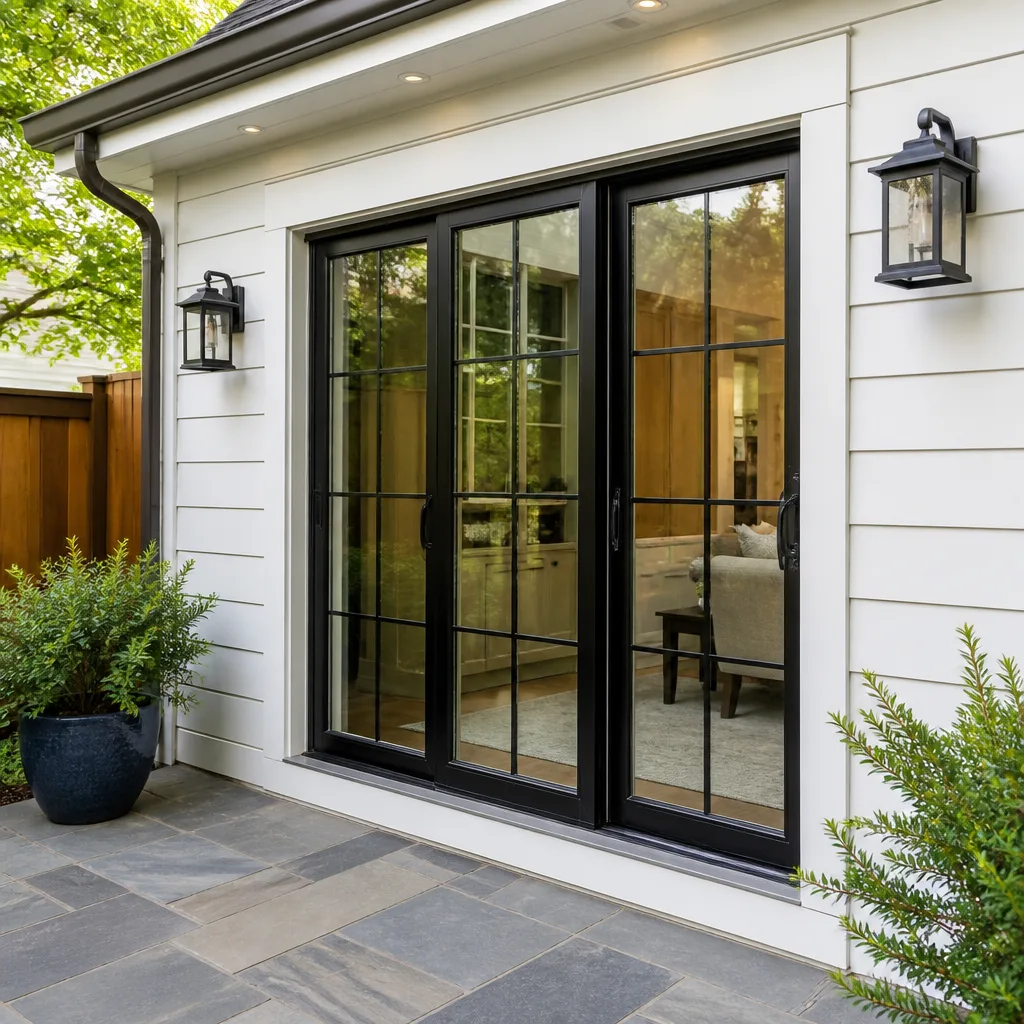
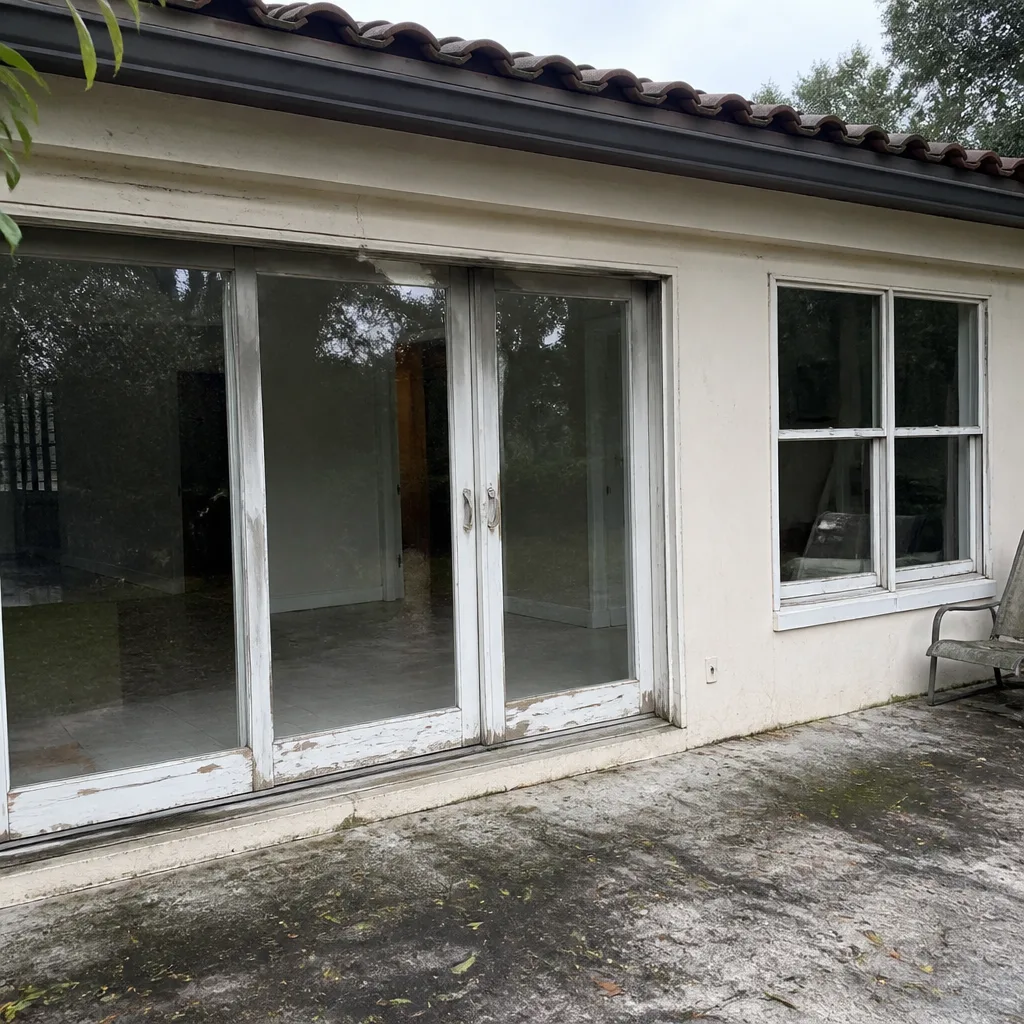 Before
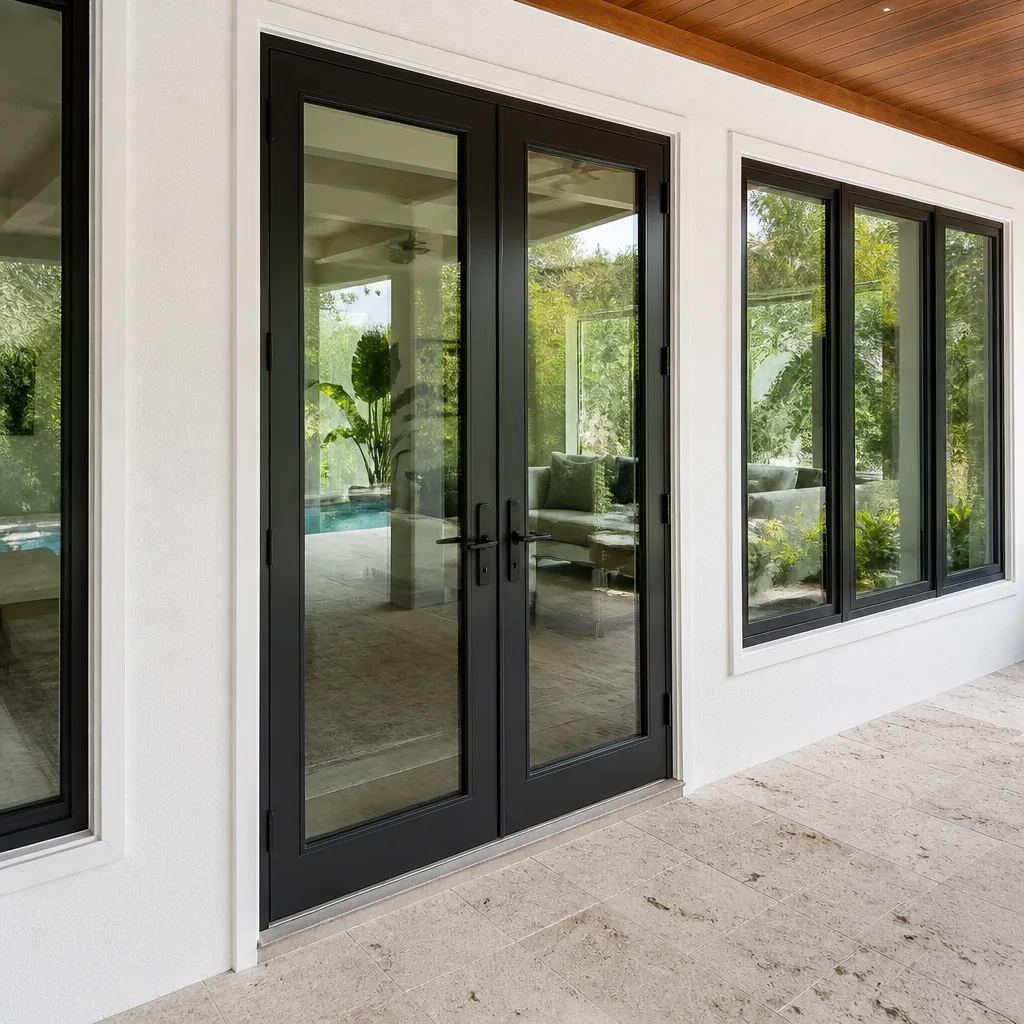 After
After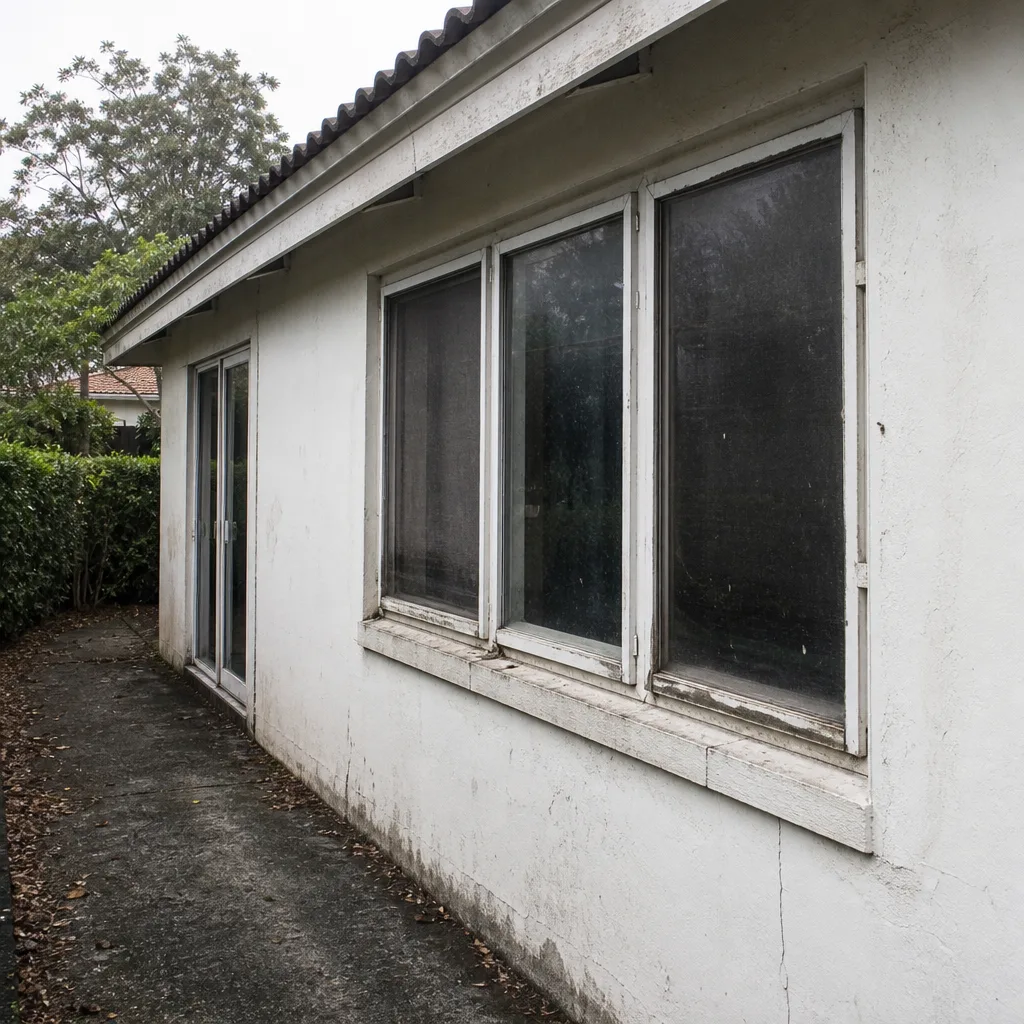 Before
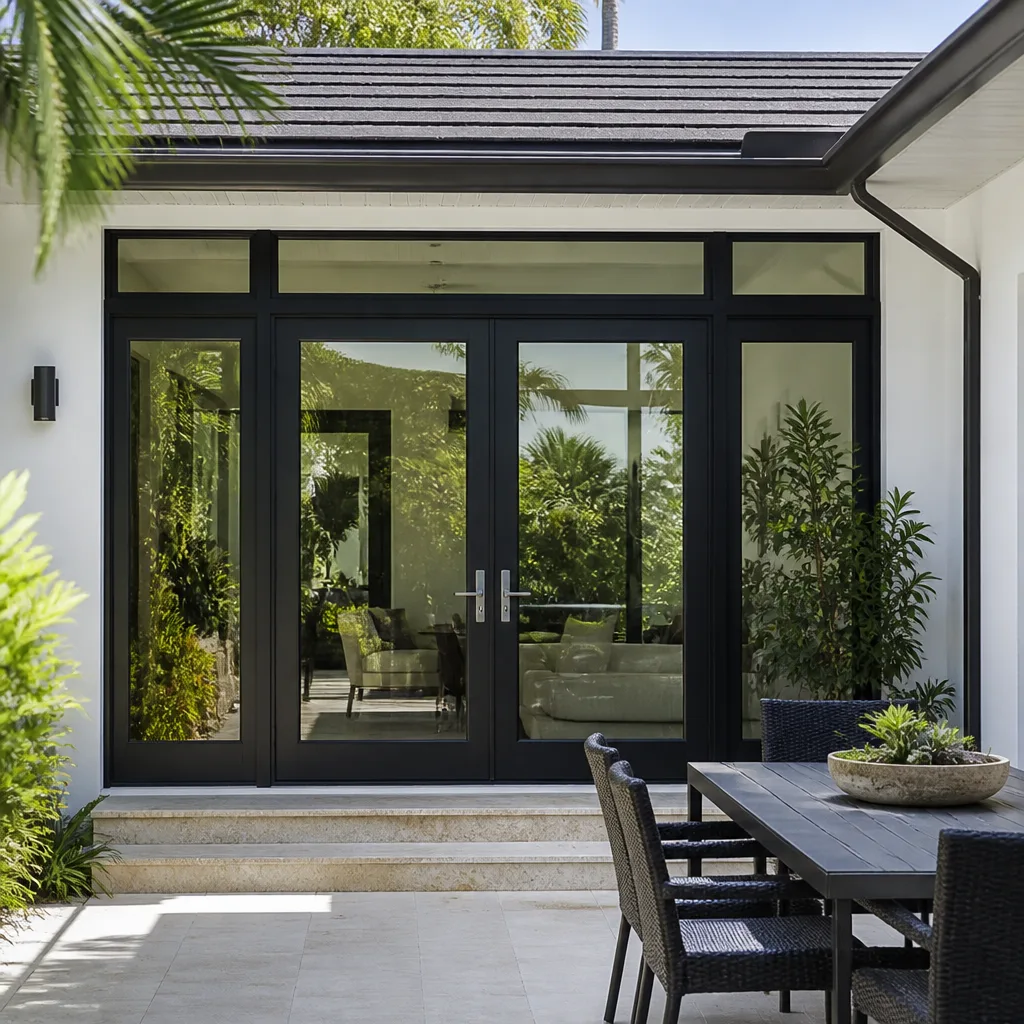 After
After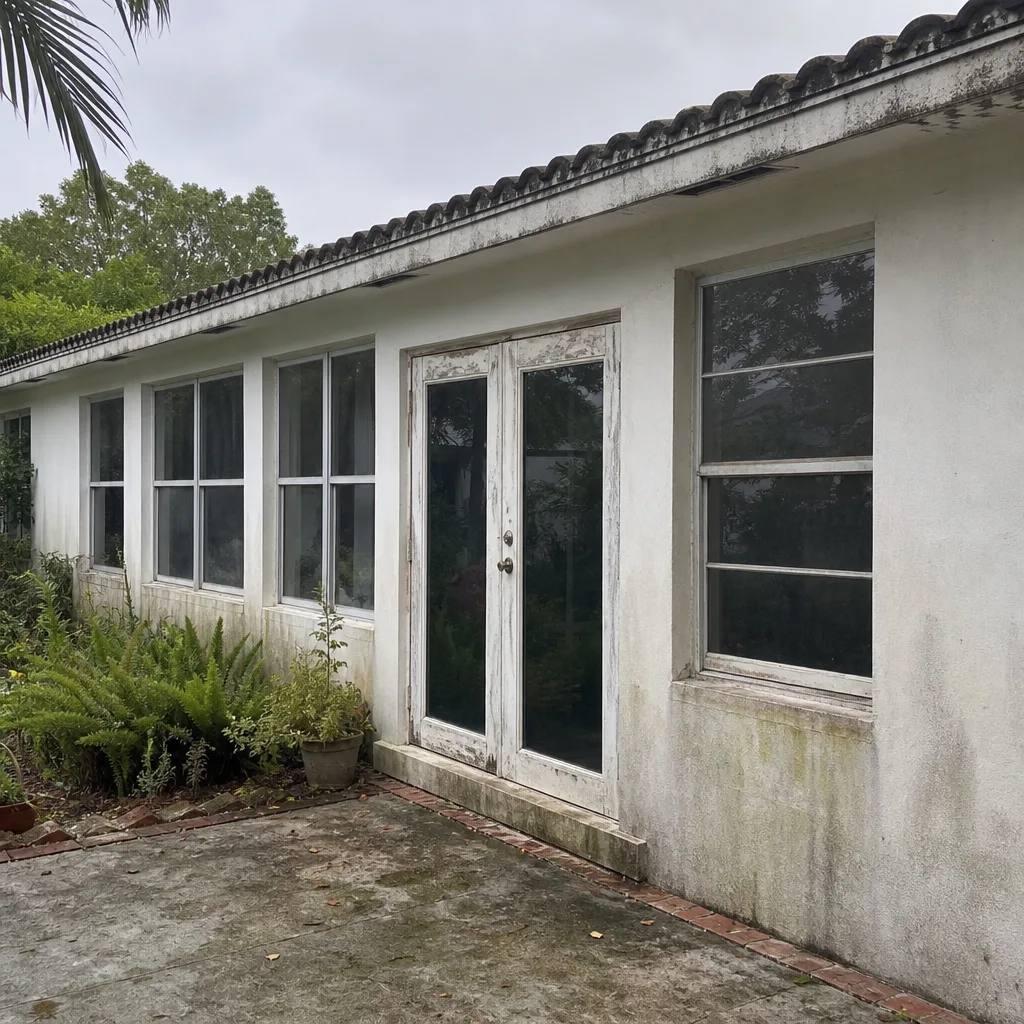 Before
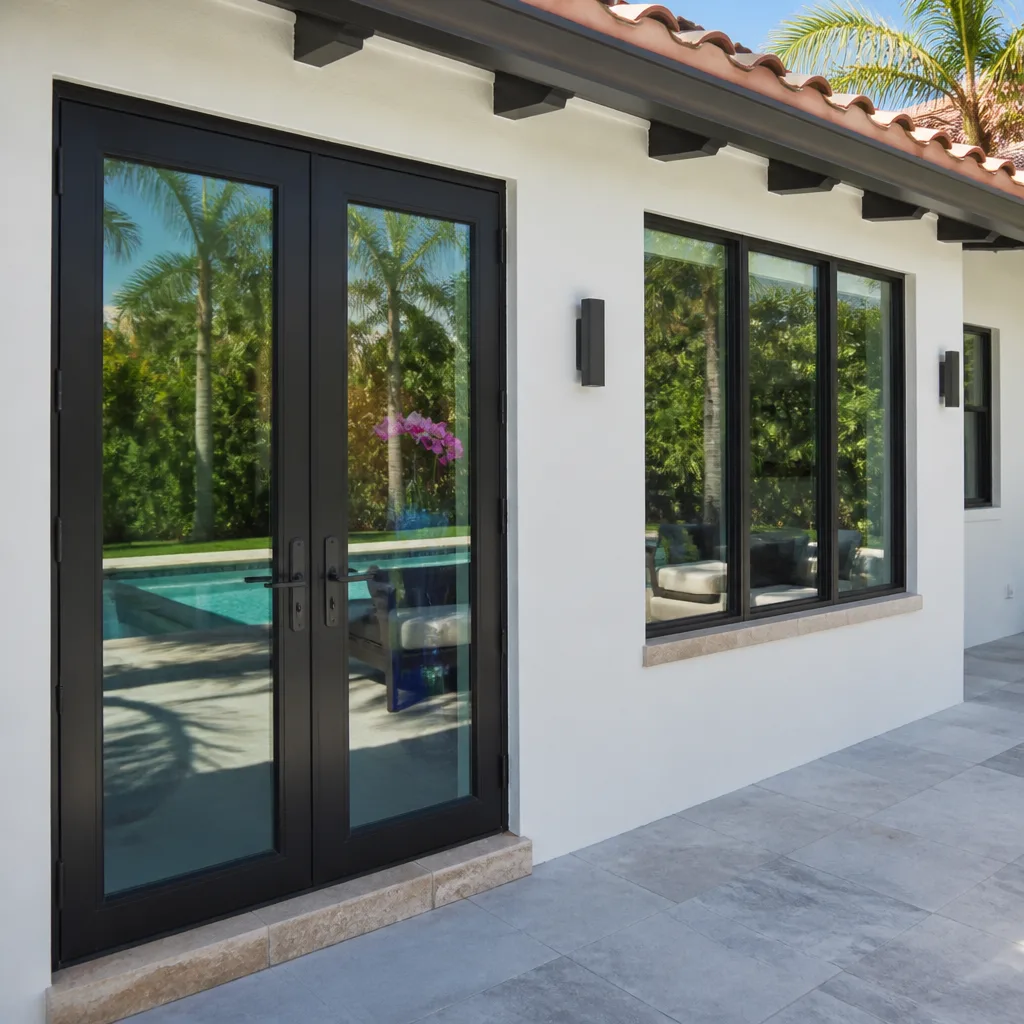 After
AfterDIY vs Professional Windows & Doors: The Pinecrest Homeowner’s Decision Guide
Florida Statute 489.103 grants homeowners a broad DIY exemption for construction work on their own primary residence. But in Pinecrest, that exemption ends at the property line of Miami-Dade County’s High Velocity Hurricane Zone. HGVT and Reddit threads rarely mention this: window and door replacement in Pinecrest requires a licensed contractor to pull the permit, period. What follows is a complete guide to what you can legally do yourself, what you cannot, what it actually costs to comply, and how the documentation gap from unpermitted work follows the property through every future sale. For related reading, see our How to Hire a Windows & Doors Contractor in Pinecrest: A Step-by-Step Guide.
Quick Answer
In Pinecrest, true DIY window and door installation is a code violation, not merely a risk. Miami-Dade’s HVHZ designation overrides Florida’s homeowner exemption, requiring a licensed contractor to pull permits for all fenestration work. A homeowner may legally perform interior trim, hardware replacement, and non-structural caulk touch-up. Everything else, including the installation itself and the permit pull, requires licensed oversight.
Table of Contents
- The Legal Boundary: What Florida Law Actually Permits in Pinecrest
- The Real Cost Comparison: DIY Savings vs. Compliance Costs
- The Three Tasks a Pinecrest Homeowner Can Legally Perform
- What Happens to Your Insurance and Your NOA
- The Documentation Gap That Follows Your Property Title
- Product Selection: What the Opening Requires vs. What’s in Stock
- Common Mistakes to Avoid
- When to Call a Professional
- Frequently Asked Questions
 Before
 After
AfterThe Legal Boundary: What Florida Law Actually Permits in Pinecrest
Florida Statute 489.103(7) allows property owners to act as their own contractor on their primary residence without a state license. The exemption covers construction, repair, and remodeling. Many homeowners in Pinecrest have read this statute and reasonably concluded they can replace their own windows.
The statute contains a critical exception: local jurisdictions may impose additional requirements. Miami-Dade County’s High Velocity Hurricane Zone designation, adopted into the Florida Building Code, does exactly this for fenestration work.
Where the HVHZ Rules Supersede State Law
Miami-Dade’s HVHZ provisions require that all window and door installations in designated zones meet product approval standards, installation methods, and inspection protocols that exceed standard Florida code. The county maintains that only licensed contractors may pull permits for this work. Pinecrest sits entirely within this zone.
The practical effect: a Pinecrest homeowner who removes and replaces a window without a licensed contractor’s permit pull has violated Miami-Dade County Code Section 8-6, which governs building permits and inspections. This is not a technicality. It is a recorded violation that attaches to the property.
What “Owner-Builder” Status Actually Allows
The owner-builder route still exists in Pinecrest, but it does not restore full DIY rights for fenestration. An owner-builder may:
- Act as general contractor on new construction or substantial remodeling, subject to state registration requirements
- Pull permits for trades where local ordinance permits
- Perform work personally on permitted projects, but still within the scope of the licensed trade contractor’s responsibility for structural and envelope components
Window and door installation in the HVHZ remains outside this scope. The licensed glazing or general contractor must perform or directly supervise the work, and their license number appears on the permit.
We’ve reviewed permits in Pinecrest where owner-builder applications were returned with explicit instruction to engage a licensed contractor for fenestration. The county does not process these as oversight; it processes them as rejection.
The Real Cost Comparison: DIY Savings vs. Compliance Costs
The online cost calculators show window replacement at $300 to $700 per opening for materials only, with DIY labor valued at zero. This accounting omits the compliance costs that Pinecrest homeowners must carry whether they hire help or not.
Line-Item Cost Breakdown for a Typical Pinecrest Home
Based on our measured surveys in Pinecrest neighborhoods including Ponce-Davis, Estates of Pinecrest, and the area near Pinecrest Gardens, here is the actual cost structure for a 10-window replacement project:
| Cost Component | DIY Path (Non-Compliant) | Licensed Contractor Path |
|---|---|---|
| Materials (mid-range impact vinyl, PGT or CWS equivalent) | $4,500-$6,500 | $4,500-$6,500 |
| Permit application and plan review | $0 (not pulled) | $450-$680 |
| Licensed contractor permit pull fee | $0 (not applicable) | $350-$500 |
| Inspector visit and re-inspection if needed | $0 | $0 (included in permit) |
| Installation labor | $0 (homeowner time) | $2,800-$4,200 |
| Third-party inspection documentation | $0 | Included |
| Warranty documentation and transfer | $0 | Included |
| Potential penalty for unpermitted work | $500-$2,500 plus compliance costs | $0 |
| Insurance rider or policy adjustment if discovered | Variable, often denied | $0 |
| Total Project Cost | $4,500-$6,500 plus unquantified risk | $8,100-$11,880 |
The DIY path saves $3,600-$5,380 in direct costs. It also eliminates the permit record, the inspection validation, the warranty transfer document, and the product eligibility for insurance coverage. These are not abstract losses. They convert to cash at closing, during claims, or when the county discovers the unpermitted work.
Haven Clause 1 governs our pricing: the measured survey we leave with you and the written quote are the same document. We publish ranges because every opening in Pinecrest is measured before we name a price, and that measurement is yours to keep whether or not we perform the work.
The Three Tasks a Pinecrest Homeowner Can Legally Perform
Miami-Dade’s HVHZ rules do not strip homeowners of all involvement. Three categories of work remain legally available to the property owner without permit or licensed contractor involvement. For year-round upkeep advice, see our Seasonal Windows & Doors Care for Pinecrest: Year-Round Homeowner’s Guide.
Task 1: Interior Trim Installation and Finishing
Once the window or door is installed, permitted, and inspected, the interior trim work is finish carpentry that does not affect the structural or weather-resistant envelope. A Pinecrest homeowner may:
- Install interior casing and stool
- Apply paint or stain to interior surfaces
- Add window treatments mounted to interior framing
This work must not penetrate the window or door frame in a way that compromises the seal or drainage plane. In Pinecrest’s wet season, we’ve seen well-meaning trim work that drove fasteners through the sill pan flashing, creating concealed rot in the subfloor.
Task 2: Hardware Replacement
Locks, handles, hinges, and operators on existing installed windows and doors may be replaced by the homeowner. This assumes the replacement hardware is compatible with the original manufacturer’s specifications and does not require frame modification.
For impact-rated products, hardware replacement with non-OEM parts may void the product’s Miami-Dade Notice of Acceptance (NOA). We specify PGT, CGI, CWS, or ES Windows hardware by part number when homeowners ask; the NOA travels with the exact product configuration.
Task 3: Caulk Touch-Up on Non-Structural Joints
Cosmetic sealant renewal at interior trim joints or at accessible exterior joints that do not bear structural or waterproofing load is permitted homeowner maintenance. This does not include:
- Removal of existing structural sealant at the window-to-wall interface
- Replacement of backer rod or primary sealant in the rough opening
- Any work that disturbs the air barrier or water-resistive barrier
In Pinecrest’s climate, exterior sealant degrades faster than inland Florida due to salt air exposure and UV intensity. Maintenance caulking at non-structural joints is prudent homeowner care. Structural sealant replacement is permit-triggering work.
What Happens to Your Insurance and Your NOA
Homeowner’s insurance in Florida operates under specific exclusions for unpermitted structural modifications. The policy language varies by carrier, but the exclusion category is consistent: “loss arising from work performed in violation of applicable building codes or without required permits.”
The Specific Policy Exclusion Category
Standard HO-3 and HO-5 policies in Florida contain a “Ordinance or Law” exclusion that limits coverage for damage resulting from failure to comply with building codes. More critically, many carriers add a specific fenestration endorsement for HVHZ properties that requires:
- Installation by a licensed contractor
- Product bearing current Miami-Dade NOA
- Permit and inspection record on file with the county
A Pinecrest homeowner with unpermitted window installation faces three insurance consequences. First, a claim for wind or water intrusion damage may be denied if the insurer determines the unpermitted installation contributed to the loss path. Second, the carrier may non-renew the policy upon discovery during inspection. Third, replacement cost coverage may be reduced to actual cash value for the unpermitted components.
The NOA Problem
The Miami-Dade Notice of Acceptance is product-specific and installation-specific. An impact window’s NOA specifies the exact frame, glazing, anchor pattern, and sealant detail that was tested and approved. Installation outside these parameters voids the NOA for that opening.
DIY installation almost invariably deviates from NOA specifications at one or more points: anchor spacing, sealant bead dimension, or shimming method. The product label still reads “impact-rated,” but the installation is not. In a post-storm inspection, this distinction determines whether the opening is credited as protected.
We’ve documented this in Pinecrest after Hurricane Irma, where homes with properly permitted and inspected PGT and CGI installations sustained no envelope breach, while nearby properties with owner-installed units experienced frame separation that insurers disputed for months.
The Documentation Gap That Follows Your Property Title
Every property in Pinecrest carries a building record with Miami-Dade County. This record is searchable by address and is standard due diligence for any buyer’s title examination. Unpermitted work appears as a gap or, if discovered by the county, as an open violation.
What the Documentation Gap Contains
A professional installation under the Haven Standard produces five documents that persist beyond the work. For a full breakdown, see our Window Installation Maintenance Checklist for Pinecrest Homeowners:
- The measured survey, which the customer keeps, showing opening dimensions, frame conditions, and product specification
- The permit application, recorded with Miami-Dade, showing the licensed contractor and scope
- The inspection record, showing pass or fail status with inspector identification
- The photo record, documenting pre-existing conditions, rough opening state, installed unit, and finished work
- The warranty and transfer document, assignable to subsequent owners
DIY installation produces none of these. The gap is not merely missing paperwork. It is missing evidence that the work was performed to code, by qualified persons, with approved materials.
How the Gap Appears at Sale
Pinecrest real estate transactions routinely include a seller’s disclosure of known unpermitted work. Failure to disclose exposes the seller to post-sale liability. Discovery during buyer due diligence triggers renegotiation, often requiring the seller to obtain retroactive permits at higher cost than original compliance.
Retroactive permitting in Miami-Dade requires opening the wall to demonstrate rough opening conditions, anchor patterns, and flashing details. The cost typically exceeds original installation by 40 to 60 percent. The work is also disruptive, often requiring interior finish removal that the original installation would not have touched.
We’ve provided free second opinions on competitor quotes in Pinecrest where the seller’s agent discovered the documentation gap two weeks before closing. The “savings” from DIY converted to a $8,000 emergency permit and inspection package that delayed closing by six weeks.
Product Selection: What the Opening Requires vs. What’s in Stock
A common DIY error begins at the home improvement store, not the installation. The homeowner selects a window from available stock based on rough opening dimension and visual preference, without regard to the specific performance requirements of the Pinecrest location.
Performance Parameters Pinecrest Openings Demand
Every opening in Pinecrest must satisfy multiple performance criteria:
- Impact rating: Large missile and small missile resistance per TAS 201/202/203 or ASTM E1886/E1996, required by HVHZ
- Design pressure: Calculated per ASCE 7 for the specific exposure, height, and opening size; Pinecrest’s inland location reduces exposure but does not eliminate high design pressure requirements for upper-story openings
- U-factor and SHGC: Energy code compliance per Florida Energy Conservation Code, with specific thresholds by climate zone
- Sightline and egress: Clear opening dimensions for emergency escape and rescue, governed by IRC and local amendments
Stock windows at retail typically carry a generic AAMA or NFRC label. They do not carry Miami-Dade NOA. They are not eligible for permit in Pinecrest. The homeowner who purchases them has bought a product that cannot legally be installed, regardless of installation quality.
How We Specify: By Opening, Not by Margin
At Sightline Windows & Doors Pinecrest home, we draw from eight manufacturer lines - PGT, CGI, CWS, ES Windows, ECO Window Systems, Mr-Glass, Therma-Tru, and ViewLux - but we do not lead with brand. We lead with the measured survey of the opening.
The survey documents: frame squareness (measured at three points), sill condition and drainage slope, wall thickness and construction type, interior and exterior finish conditions, and the sightline the homeowner will see from interior standing position. Only then do we match product lines to the opening’s structural, thermal, and aesthetic requirements.
In Pinecrest’s Estates section, we’ve specified CGI Estate Collection for historic compatibility with modern impact performance. Near Pinecrest Gardens, we’ve used PGT WinGuard Aluminum for maximum glass area within structural limits. The specification follows the opening; the opening does not follow inventory.
Common Mistakes to Avoid
- Assuming Florida’s homeowner exemption applies uniformly. The exemption exists, but Miami-Dade’s HVHZ designation creates a specific exception for fenestration that overrides it. Check the county’s current HVHZ boundary map before planning any work.
- Buying “impact-rated” windows without verifying Miami-Dade NOA. Many products carry impact ratings for other jurisdictions or for test purposes only. The NOA is the only document that matters for permit eligibility in Pinecrest.
- Measuring the sash instead of the rough opening. DIY measurements often capture the visible window dimension, not the structural opening that determines replacement size. A 1/2-inch error in rough opening measurement can require custom manufacture or field modification, either of which voids warranty.
- Ignoring the sill pan and head flashing. Pinecrest’s driving rains during summer thunderstorms test every installation. We’ve documented water intrusion in DIY installations where the window was level and square but the sill pan was omitted entirely.
- Removing old windows before permit approval. Some homeowners begin demolition to “save time.” Miami-Dade inspectors require visible rough opening conditions for initial inspection. A demolished opening without permit approval is an exposed violation, not progress.
- Assuming caulk substitutes for proper flashing. Sealant is the last line of defense, not the first. Relying on caulk at the window-to-wall joint without integrated flashing creates a maintenance-dependent seal that fails within three to five years in Pinecrest’s climate.
- Neglecting to verify insurance requirements before work begins. Some carriers require pre-approval of contractor selection or product specification. Discovering this after installation creates a coverage gap that no warranty addresses.
When to Call a Professional
Call a licensed contractor when the work involves structural openings, weather-resistant envelope integrity, or permit requirements. In Pinecrest, this means every window and door replacement project.
Specific scenarios that demand professional engagement: any opening in a high-velocity hurricane zone; any work requiring Miami-Dade NOA product approval; any project where insurance coverage depends on permitted installation; any property intended for sale within five years; and any situation where the homeowner cannot verify rough opening conditions, design pressure requirements, or proper flashing integration.
Window Installation in Pinecrest and Door Installation in Pinecrest are governed by the Haven Standard we’ve applied to 18,000+ openings since 2012. Every engagement begins with a measured survey you keep, and the written quote cannot differ from that document. Window Replacement in Pinecrest follows the same protocol.
Sightline Windows & Doors Pinecrest offers free estimates in Pinecrest. Call (786) 442-3200 to schedule your measured survey. We also provide free second opinions on any written estimate from another contractor, and publish more guides & resources on our blog.
Frequently Asked Questions
No. Miami-Dade County’s High Velocity Hurricane Zone designation requires a licensed contractor to pull permits for all window and door replacement work, overriding Florida’s general homeowner exemption. You may perform interior trim, hardware replacement, and non-structural caulk touch-up. Call (786) 442-3200 for a free estimate on permitted installation.
Professional installation for a typical 10-window project in Pinecrest ranges from $8,100 to $11,880 including permits, inspection, and documentation, versus $4,500 to $6,500 for materials-only DIY. The DIY path excludes permit compliance, inspection validation, warranty transfer, and insurance eligibility, creating unquantified financial risk. Call (786) 442-3200 for an exact quote on your specific openings - estimates are free.
The unpermitted work must be disclosed to buyers, and most transactions require resolution before closing. Retroactive permitting costs 40 to 60 percent more than original compliance, requires opening finished walls for inspection, and typically delays closing by four to eight weeks. The documentation gap also eliminates warranty transfer value for the new owner.
Probably not, if the insurer determines the unpermitted installation contributed to the damage. Florida HO-3 and HO-5 policies contain exclusions for losses arising from code violations or unpermitted work. Many carriers add specific fenestration endorsements for HVHZ properties requiring licensed installation, current NOA product approval, and recorded permit inspection. Verify your policy language before work begins.
The Notice of Acceptance is Miami-Dade County’s certification that a specific window or door product, installed exactly as tested and documented, meets HVHZ performance requirements. The NOA specifies frame, glazing, anchor pattern, and sealant details. Installation outside these parameters voids the NOA, meaning the product is not credited as impact protection despite the label. Only products with current NOA are eligible for permit in Pinecrest.
Yes, three categories of work remain legally available: interior trim installation and finishing after permitted work is complete; hardware replacement with OEM-compatible parts; and cosmetic caulk touch-up at non-structural joints. These tasks do not affect the weather-resistant envelope or structural performance. Structural work, permit pulls, and inspections require licensed contractor involvement in Pinecrest.
Request the license number and verify it through the Florida Department of Business and Professional Regulation at myfloridalicense.com. Confirm the license classification covers glazing or general contracting. At Sightline, Haven Clause 3 (Verified Crews) means the technician who arrives is the person on record, background-checked, uniformed, and identified by license number before entry. Call (786) 442-3200 to schedule - we provide license verification on request.
The Bottom Line
The DIY vs. professional question in Pinecrest is not about skill, tools, or courage. It is about a legal boundary that Miami-Dade County enforces without exception. Florida’s homeowner exemption does not apply to fenestration work in the HVHZ. The permit must be pulled by a licensed contractor. The product must carry current Miami-Dade NOA. The installation must pass inspection. Everything else, interior trim, hardware, and maintenance caulking, is available to the homeowner who wants hands-on involvement.
The real comparison is not DIY cost versus professional cost. It is compliant cost versus non-compliant risk. The non-compliant path saves $3,600 to $5,380 on a typical project and eliminates the permit record, inspection validation, warranty transfer, insurance eligibility, and clean title. These losses convert to cash at unpredictable moments: during a storm claim, at closing, or when the county discovers the violation.
We document every opening with a measured survey you keep, a written price that matches that survey, and a photo record of completed work. The Haven Standard has governed every one of our 18,000+ installations since 2012. In Pinecrest, compliance is not an upgrade. It is the starting point.
Call (786) 442-3200 to schedule your free estimate. Bring us any competitor’s written quote for a free second opinion. The measurement and the price are the same document.
Written by Sonia Raman, Owner at Sightline Windows & Doors Pinecrest, serving Pinecrest since 2012.